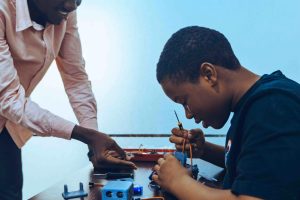
The Power of Play: Learning Through Exploration and Discovery
Exploration and discovery are the building blocks of learning. From an early age, children are naturally drawn to play and use their imagination to explore the world around them. However, in today’s fast-paced society, play is often undervalued and viewed as simply a way to pass the time. What many fail to realize is that play is an essential part of a child’s development and learning process. In fact, play is so powerful that it can have a deep and lasting impact on a child’s ability to learn and grow. In this article, we will delve into the power of play and how it can enhance a child’s learning through exploration and discovery.
The Benefits of Play
Play is not just a form of entertainment, but it is also a vital part of a child’s cognitive, emotional, and social development. Through play, children are able to engage in activities that stimulate their creativity, problem-solving skills, and imagination. It allows them to make sense of the world, express their thoughts and emotions, and develop essential life skills such as communication, teamwork, and self-regulation.
Encourages Curiosity and Exploration
Play encourages children to be curious and explore their surroundings. Whether it’s building with blocks, playing with puzzles, or creating a make-believe world, children are constantly learning and experimenting through play. As they explore, they gain a better understanding of cause and effect and develop their problem-solving abilities.
Fosters Imagination and Creativity
Imagination and creativity go hand in hand with play. When children play, they are not bound by rules or limits. They can be whoever they want to be and do whatever they want to do. This uninhibited form of expression aids in the development of imagination and creative thinking, which are essential skills for success in the future.
Builds Confidence and Resilience
Through play, children are constantly challenging themselves and taking on new roles and challenges. This helps build their confidence and resilience as they learn to overcome obstacles and adapt to new situations. As they tackle challenges and explore their capabilities, they develop a sense of self-worth and confidence in their abilities.
The Role of Exploration and Discovery in Play
Exploration and discovery are fundamental aspects of play. It allows children to immerse themselves in new experiences and learn about the world around them. Through exploration, they can make connections, formulate ideas, and develop critical thinking skills.
Hands-On Learning
Play is a hands-on learning experience that enables children to actively engage with their environment. Whether it’s through building, creating, or pretending, play provides children with a tangible and sensory experience that enhances their learning. By using their bodies, senses, and motor skills, children are able to understand abstract concepts and retain information more effectively.
Encourages Problem-Solving
Through exploration and discovery, children are constantly faced with new challenges that require them to think critically and creatively. Be it an obstacle in a make-believe world or a problem to solve in a game, play provides children with the opportunity to think outside the box and come up with unique solutions. This type of problem-solving is transferable to real-life situations, making play an effective tool for learning.
Facilitates Self-Discovery
As children engage in different types of play, they also discover more about themselves. Play allows them to explore their likes, dislikes, and interests, as well as their strengths and weaknesses. This self-discovery leads to a better understanding of their own emotions, thoughts, and behaviors, which can help them develop healthy coping mechanisms and better manage their emotions.
Incorporating Play into Learning
Despite the numerous benefits of play, it is often overlooked in the traditional education system. However, incorporating play-based learning into the curriculum can greatly enhance a child’s learning experience. By combining play with structured learning activities, children are able to learn in a more engaging and hands-on manner, increasing their motivation and interest in learning.
Interactive Learning
Play-based learning makes use of interactive activities and games that encourage active participation from children. Through these activities, children are able to learn and retain information through hands-on experiences and social interactions with their peers.
Personalized Learning
Play-based learning also allows children to learn at their own pace and in their own individual way. Every child is unique, and through play, teachers can tailor activities to meet the needs and learning styles of each child, ensuring a more effective and personalized learning experience.
In conclusion, play is an essential component of a child’s development and learning process. By allowing children to explore and discover through play, we are providing them with a solid foundation for future academic and personal success. Let’s give play the importance it deserves and watch as our children learn and grow through the power of play.