
Mastering New Skills: Lifelong Learning Beyond the Degree
In today’s fast-paced and ever-changing world, the importance of lifelong learning cannot be emphasized enough. Gone are the days when completing a degree and securing a job were seen as the ultimate goals. With new technologies emerging, industries evolving, and job markets shifting, it has become essential for individuals to constantly update their skills and knowledge. Therefore, mastering new skills beyond the degree has become a crucial aspect of personal and professional development.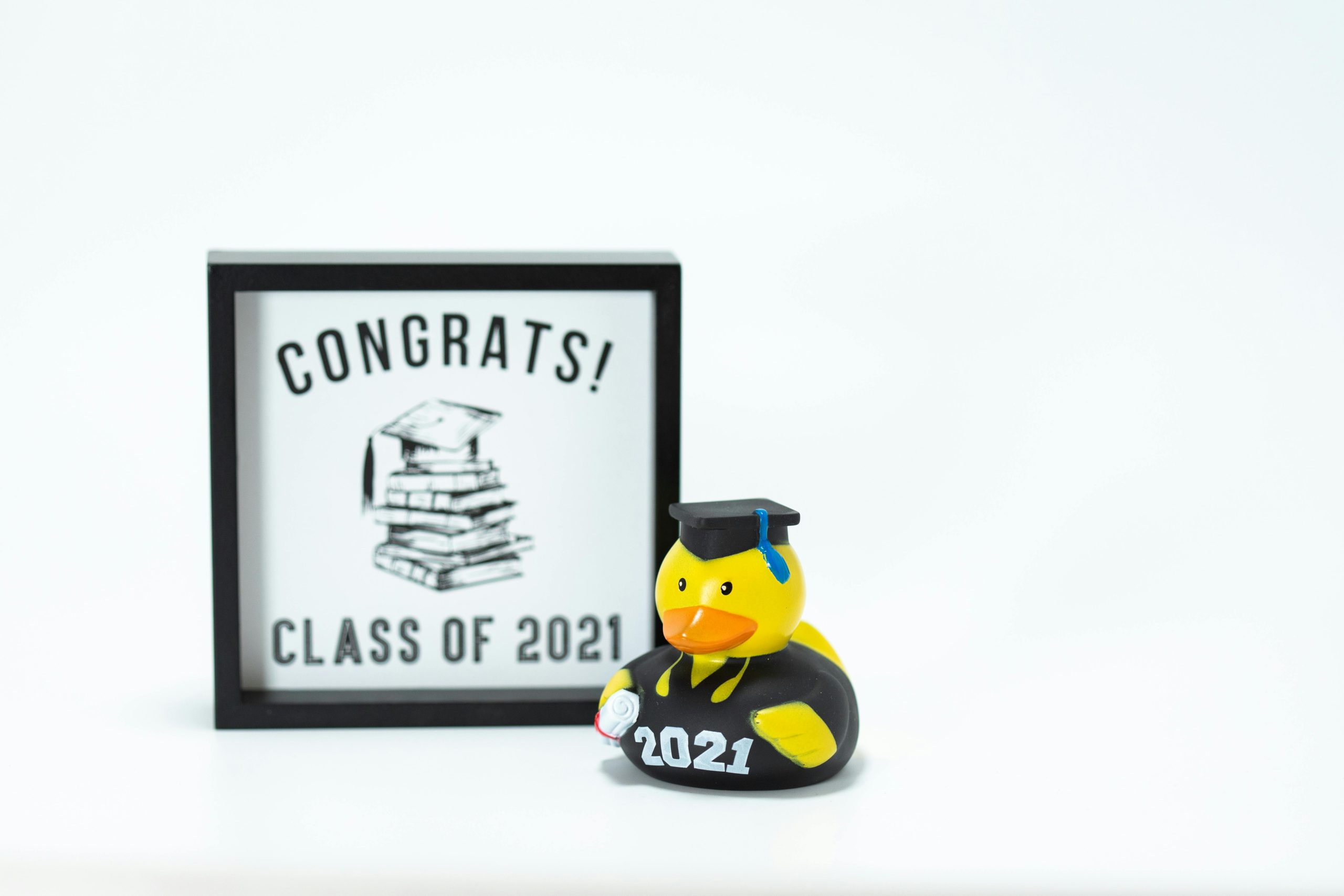
The Need for Lifelong Learning
Lifelong learning refers to the continuous process of gaining new knowledge, skills, and experiences throughout one’s life. While traditional education provides a strong foundation, it often falls short in keeping up with the rapidly changing needs of the job market. Lifelong learning enables individuals to adapt to these changes, stay relevant, and even excel in their careers.
Staying Competitive in the Job Market
The job market is highly competitive, and employers are constantly looking for candidates who possess a diverse set of skills. A degree alone may not be enough to make one stand out. By mastering new skills, individuals can showcase their versatility and ability to learn and adapt, which can give them a competitive edge over others.
Boosting Career Advancement
Lifelong learning not only helps individuals stay current in their fields but also opens up opportunities for career advancement. With new skills and knowledge, individuals can take on more challenging roles, handle increased responsibilities, and even explore new career paths.
Keeping Up with Technological Advancements
Technology is constantly evolving, and new tools and platforms are being introduced in various industries. Individuals who are willing to learn and adapt to these changes are likely to have better job prospects and be more productive in their roles. Mastering new technology-related skills can also lead to higher-paying jobs and freelance opportunities.
Effective Ways to Master New Skills
Online Learning
The internet has made it easier than ever to access a wide range of online courses and resources. Online learning platforms such as Coursera, Udemy, and edX offer courses on various topics, from technical skills to soft skills. These courses are often self-paced, affordable, and allow individuals to learn at their own convenience.
Mentorship and Networking
Having a mentor or being part of a professional network can provide valuable guidance and support in mastering new skills. A mentor can provide personalized feedback and advice, while networking with like-minded individuals can lead to new opportunities and learning experiences. Attend conferences, seminars, and workshops related to your field to expand your network and learn from industry experts.
Utilizing Company Resources
Many organizations offer training and development programs for their employees. Take advantage of these opportunities to learn new skills that are relevant to your job or future career goals. Some companies also provide tuition reimbursement for employees who pursue higher education or professional certifications.
In Conclusion
Mastering new skills beyond the degree is crucial for personal and professional growth. It not only helps individuals stay relevant in their fields but also opens up opportunities for career advancement and better job prospects. With a continuous thirst for learning and exploring new skills, individuals can achieve their full potential and excel in their chosen paths.