
The Unexpected Mental Benefits of Learning an Instrument
Playing a musical instrument is more than just a hobby or a form of entertainment. It requires dedication, practice, and passion. But did you know that learning and playing an instrument can also have unexpected mental benefits? From improving cognitive skills to boosting self-esteem, the effects of learning an instrument on the brain are truly remarkable. In this article, we’ll explore the surprising mental benefits of learning an instrument and how it can significantly impact your overall well-being.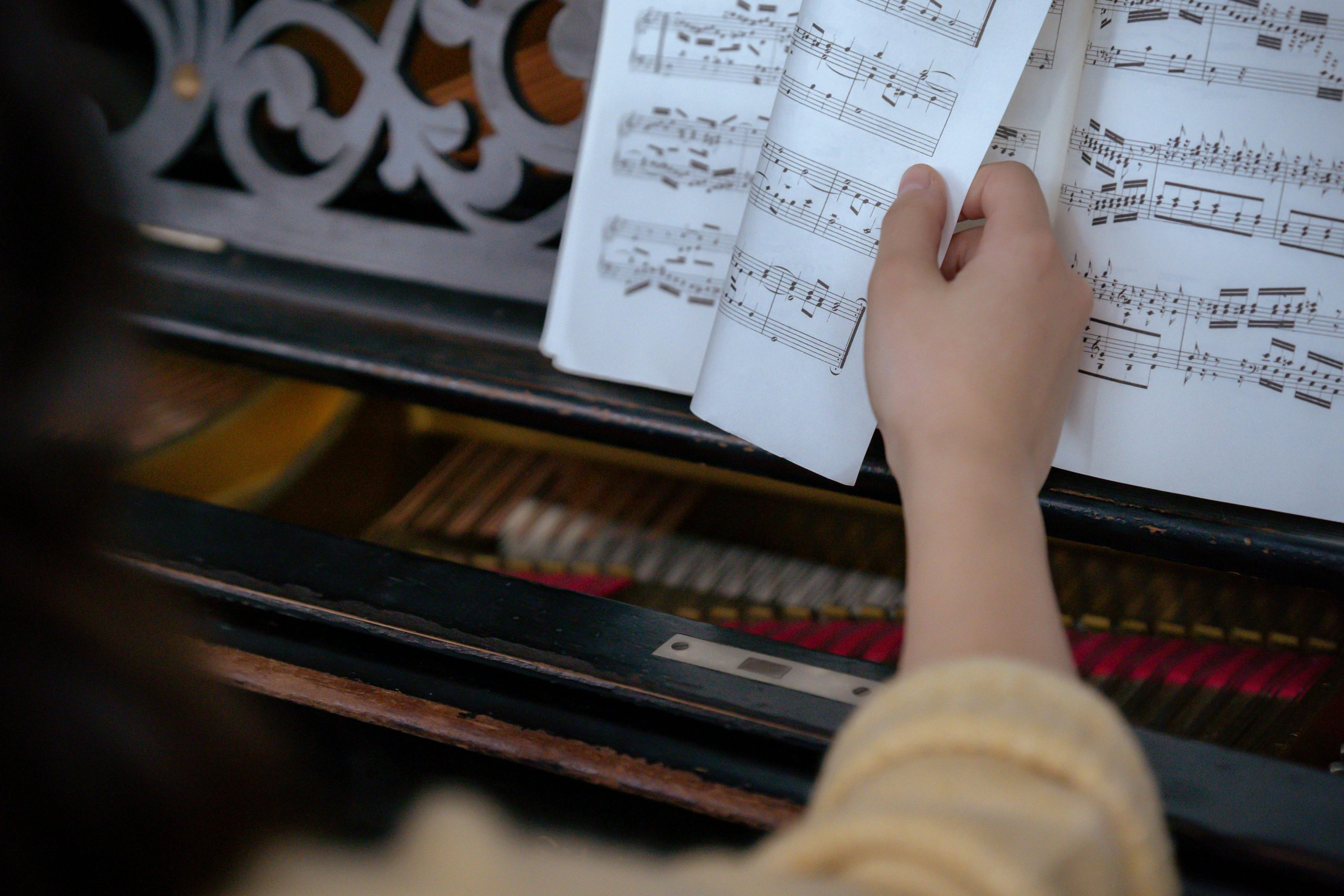
The Power of Music on the Brain
Before we dive into the specific mental benefits of learning an instrument, it’s important to understand the connection between music and the brain. Studies have shown that listening to or playing music triggers a chemical reaction in the brain, releasing dopamine, a neurotransmitter associated with pleasure and motivation. This not only improves mood but also helps with focus and concentration.
When it comes to learning an instrument, the brain experiences significant changes. Learning to play an instrument requires the use of both hemispheres of the brain, stimulating various areas such as memory, coordination, and creativity. This results in improved brain function and enhanced cognitive abilities.
Boosts Cognitive Skills and Memory
One of the most significant mental benefits of learning an instrument is its impact on cognitive skills and memory. A study conducted by researchers at the University of St. Andrews found that playing an instrument can improve memory, attention, and processing speed. This is because learning to play a musical instrument involves memorizing patterns, chords, and melodies, which all help strengthen the memory and spatial-temporal skills.
Additionally, playing an instrument also requires multitasking as musicians need to read sheet music, remember musical cues, and perform various hand and finger movements simultaneously. This strengthens the brain’s ability to switch between tasks and improves overall cognitive skills.
Improves Mood and Reduces Stress
Music has always been associated with emotions and can evoke a wide range of feelings. Learning an instrument takes this a step further by allowing individuals to express themselves through music. This creative outlet can help reduce stress and improve overall mood.
Moreover, playing an instrument also releases endorphins, the brain’s natural feel-good chemicals. This can help alleviate symptoms of anxiety, depression, and other mental health conditions. In fact, a study conducted by Harvard Medical School found that playing an instrument can provide therapeutic benefits for individuals struggling with mental health issues.
Boosts Self-Esteem and Confidence
Learning to play an instrument is a challenging process, but with practice and dedication, individuals can see significant progress and improvement. This can significantly boost self-esteem and confidence, especially in children and teenagers. As they learn a new skill and see themselves progressing, it can give them a sense of achievement and increase their self-worth.
In addition, playing an instrument also provides a sense of belonging as individuals can join bands, orchestras, or other musical groups. This can help improve social skills and reduce feelings of isolation or loneliness.
Enhances Focus and Concentration
Learning an instrument requires concentration and focus, which can translate to other areas of life. As individuals practice playing an instrument, they learn to tune out distractions and concentrate on the task at hand. This can have a positive impact on academic or work performance, as well as daily activities that require focus and attention.
Moreover, learning an instrument can also help individuals develop better time management skills, as practicing regularly is crucial for improvement. This skill can be beneficial in all aspects of life, from completing tasks efficiently to setting and achieving personal goals.
The Bottom Line
Learning an instrument has numerous mental benefits that go beyond just playing music. It not only stimulates the brain, improves cognitive skills, and boosts memory but also has a positive impact on emotions, self-esteem, and social skills. So whether you’re interested in playing the piano, guitar, or drums, don’t hesitate to pick up an instrument and reap its unexpected mental benefits.
Remember, it’s never too late to learn something new and enhance your overall well-being. So why not start your musical journey today? Your brain will thank you for it.