Analyzing the Influence of Political Movements on Clothing Choices
In today’s society, clothing has become much more than just a way to cover our bodies. It has become a form of self-expression and a way to showcase our beliefs and values. In recent years, fashion has also become intertwined with politics, with many individuals using their clothing choices to make a statement or show support for a particular political movement. From street protests to social media campaigns, political movements have influenced what we wear and how we present ourselves. In this article, we will dive into the influence of political movements on clothing choices and how it has shaped the fashion industry.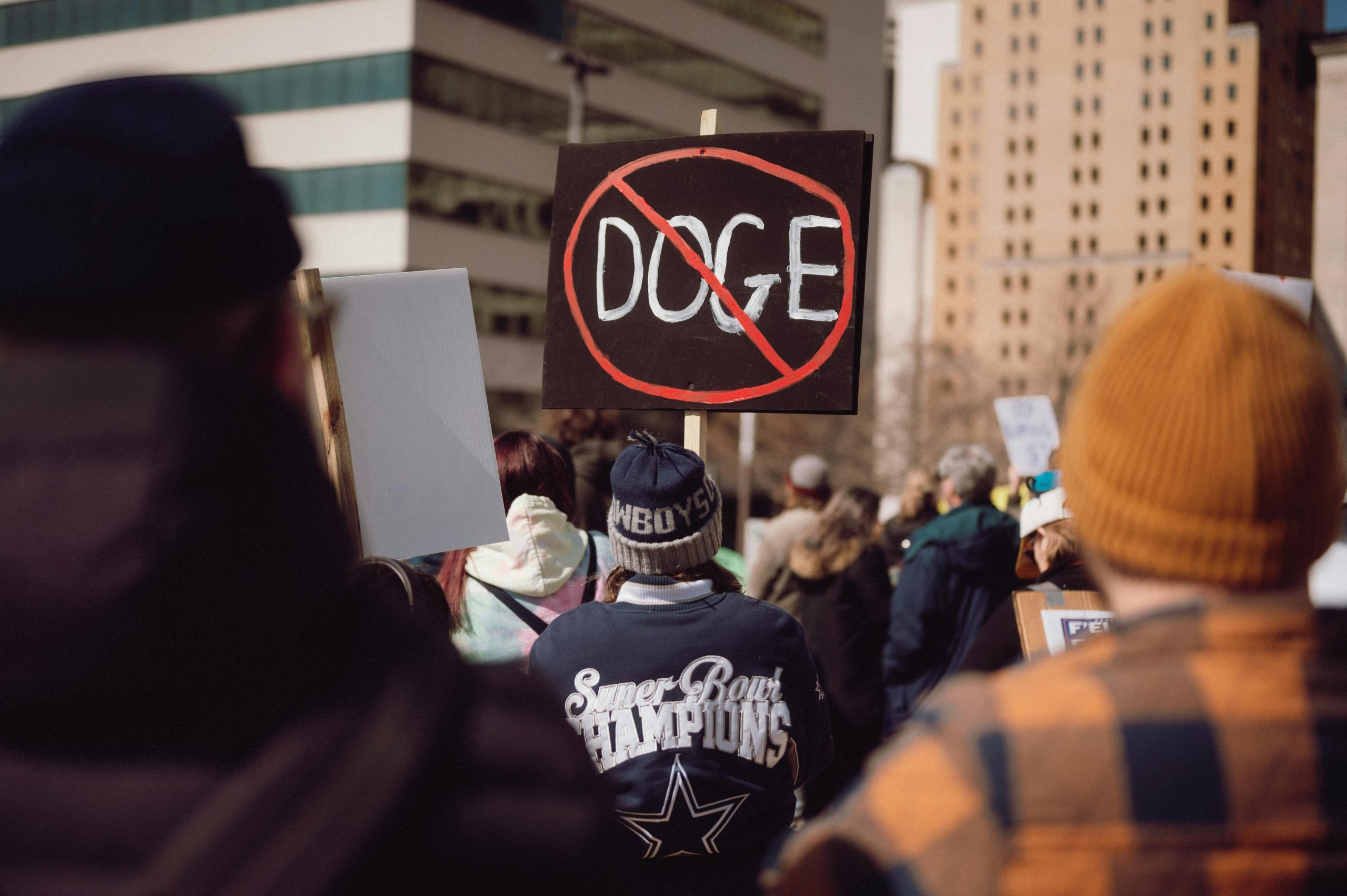
The Power of Clothing
The clothes we wear have a powerful impact on how we perceive ourselves and how others perceive us. Fashion has always been a symbol of identity and status, but it has also become a means for political expression. In a world where our social media presence is just as important as our physical appearance, clothing has become an influential tool for sending a message.
Traditionally, political movements have used symbols and slogans to convey their message. However, in recent years, clothing has become the new medium. In fact, some may argue that clothing has a more significant impact due to its constant visibility. When we wear something, it becomes a part of us, and it is a continuous reminder of our beliefs.
Clothing as a Form of Protest
Throughout history, clothing has been used as a powerful form of protest. During the Civil Rights movement in the 1960s, activists wore clothing that represented their cause. The Black Panther Party, for example, wore all-black outfits to symbolize unity and strength. The color choice not only made a statement but also allowed their members to blend in during nighttime protests.
In recent years, clothing has been a crucial component of many protests and social movements. The iconic “pussy hats” worn during the Women’s March in 2017 became a symbol of female empowerment and a statement against the Trump administration. Similarly, the yellow vests worn during the French protests in 2018 were not just a fashion trend but a symbol of working-class resistance.
From Runway to Real Life
The influence of political movements on clothing choices has also impacted the fashion industry. Designers, known for pushing boundaries and making statements, have embraced political themes in their collections. During New York Fashion Week in 2020, designer Prabal Gurung used his platform to make a statement against the state of politics in America. Models strutted down the runway wearing t-shirts with slogans such as “Our minds, our bodies, our power” and “We are all human beings.”
The prominence of political themes in fashion has also sparked an increase in political statement clothing. Many brands have started creating merchandise with messages and symbols of different movements. This has not only allowed individuals to align themselves with a cause but has also become a source of profit for some brands.
The Role of Social Media
With the rise of social media, clothing has become an even more powerful tool for political expression. Social media platforms have become a place for individuals to share their beliefs and show support for various movements. Hashtags such as #BlackLivesMatter and #MeToo have taken over newsfeeds, and they are often accompanied by photos of individuals sporting clothing or accessories with these phrases.
Social media has also allowed for the rapid spread of fashion trends associated with a particular political movement. The pink knit hats worn during the Women’s March quickly became a must-have item for many individuals, regardless of their political beliefs.
The Future of Political Clothing
As we continue to see the intersection of fashion and politics, it is essential to consider the impact it may have on the industry in the future. While clothing as a form of protest may seem empowering, it can also lead to performative activism. Buying a t-shirt with a slogan may make us feel like we are making a difference, but is it truly creating meaningful change?
Furthermore, the commercialization of political statement clothing may also take away from the true meaning and power of these messages. As with any trend, it is essential to be mindful of where the clothing is coming from and what it represents.
In Conclusion
In today’s society, clothing and politics have become increasingly intertwined. From protest wear to statement clothing, fashion has become a tool for individuals to express their beliefs and show support for various movements. While it has the power to make an impact, it is vital to consider the intentions behind our clothing choices and the potential consequences of supporting these trends. Clothing is more than just a way to cover our bodies; it is a powerful medium for self-expression and change.