
Creating Inclusive Classrooms for Students with Diverse Needs
In today’s educational landscape, classrooms are becoming increasingly diverse with students from different backgrounds, cultures, and abilities. As educators, it is our responsibility to create inclusive environments that not only cater to the academic needs of students but also embrace their unique identities and differences. In this article, we will discuss the importance of creating inclusive classrooms for students with diverse needs and provide practical strategies for teachers to ensure inclusivity in their classrooms.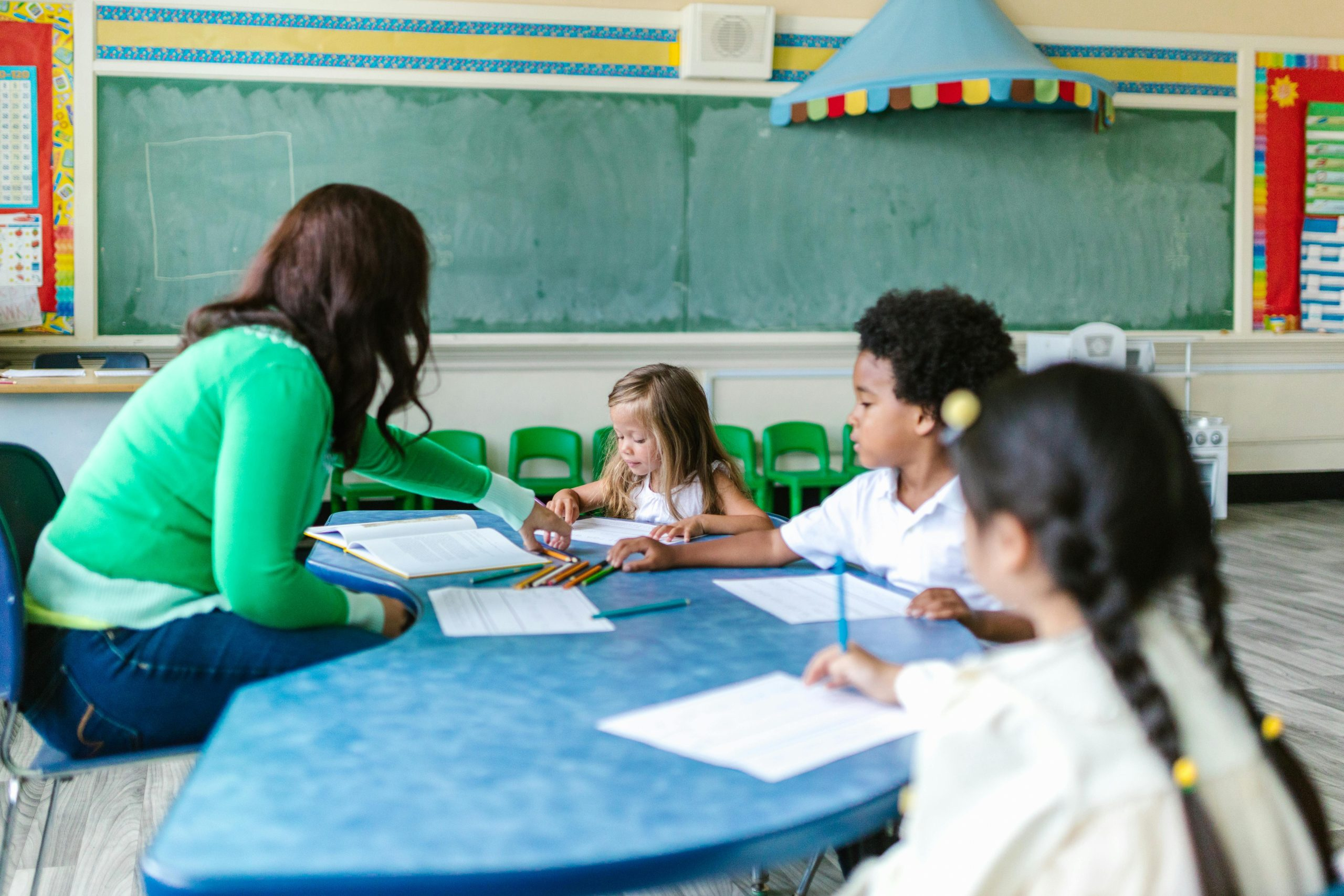
Understanding Inclusivity in the Classroom
Inclusivity in the classroom goes beyond just having a diverse group of students. It means creating an environment where every student, regardless of their background, culture, or abilities, feels valued, respected, and supported. Inclusive classrooms promote a sense of belonging and foster a positive learning experience for all students. This is especially important for students with diverse needs who may require additional support to fully participate in the classroom.
Identifying Students with Diverse Needs
Before we dive into the strategies for creating inclusive classrooms, it is essential to understand who these students with diverse needs are. Diverse needs refer to students who may require additional support to access the curriculum, such as students with disabilities, English language learners, or those from marginalized communities. It is crucial for teachers to identify these students and their specific needs to provide them with the necessary support and accommodations.
Strategies for Creating Inclusive Classrooms
1. Promote a Positive Classroom Culture
Creating an inclusive classroom starts with promoting a positive classroom culture where all students feel safe, accepted, and respected. This can be achieved by promoting open and respectful communication, encouraging teamwork and collaboration, and addressing any instances of discrimination or bullying.
2. Make Your Teaching Materials Inclusive
To ensure that all students can fully participate in classroom activities, it is essential to make your teaching materials inclusive. This might mean providing materials in different languages for English language learners or using assistive technology for students with disabilities.
3. Use Different Teaching Strategies
Inclusive classrooms require teachers to use a variety of teaching strategies to cater to the diverse needs of students. This might include incorporating hands-on activities, visual aids, and group work to engage students with different learning styles. It is also important to provide opportunities for students to share their ideas and perspectives.
4. Incorporate Multicultural and Diverse Perspectives
An inclusive classroom should also celebrate diversity and different cultures. Teachers can incorporate diverse perspectives into their lessons, such as using literature and resources that represent different cultures and backgrounds. This not only promotes cross-cultural understanding but also allows students to see themselves and their identities represented in the classroom.
5. Collaborate with Parents and Support Staff
Creating an inclusive classroom is a collaborative effort and involves the support of parents and support staff. Teachers can work with parents to understand their child’s needs, provide updates on their progress, and involve them in decision-making processes. Support staff, such as special education teachers or language facilitators, can also be valuable resources for providing accommodations and support for students with diverse needs.
Benefits of Inclusive Classrooms
The benefits of inclusive classrooms go beyond just meeting the academic needs of students with diverse needs. Inclusive classrooms promote a sense of belonging, increase empathy and understanding among students, and prepare them for the real world, which is diverse and inclusive. For students with diverse needs, inclusive classrooms can improve their academic performance, boost their self-esteem, and provide them with a positive learning experience.
Conclusion
Inclusive classrooms are essential for creating a safe, respectful, and supportive learning environment for all students. As educators, it is our responsibility to ensure that every student, regardless of their background or abilities, feels valued and included. By implementing the strategies discussed in this article, we can create inclusive classrooms that promote diversity, acceptance, and equality.