
Understanding the Different Types of Textile Dyes and Pigments
The world of textile dyes and pigments can be overwhelming to the uninitiated. With the vast array of colors and fabrics available, it’s easy to get lost in the terminology and processes. However, understanding the different types of textile dyes and pigments is crucial for anyone working with textiles, from fashion designers to textile manufacturers. In this article, we’ll dive deep into the world of textile dyes and pigments, demystifying their types and applications.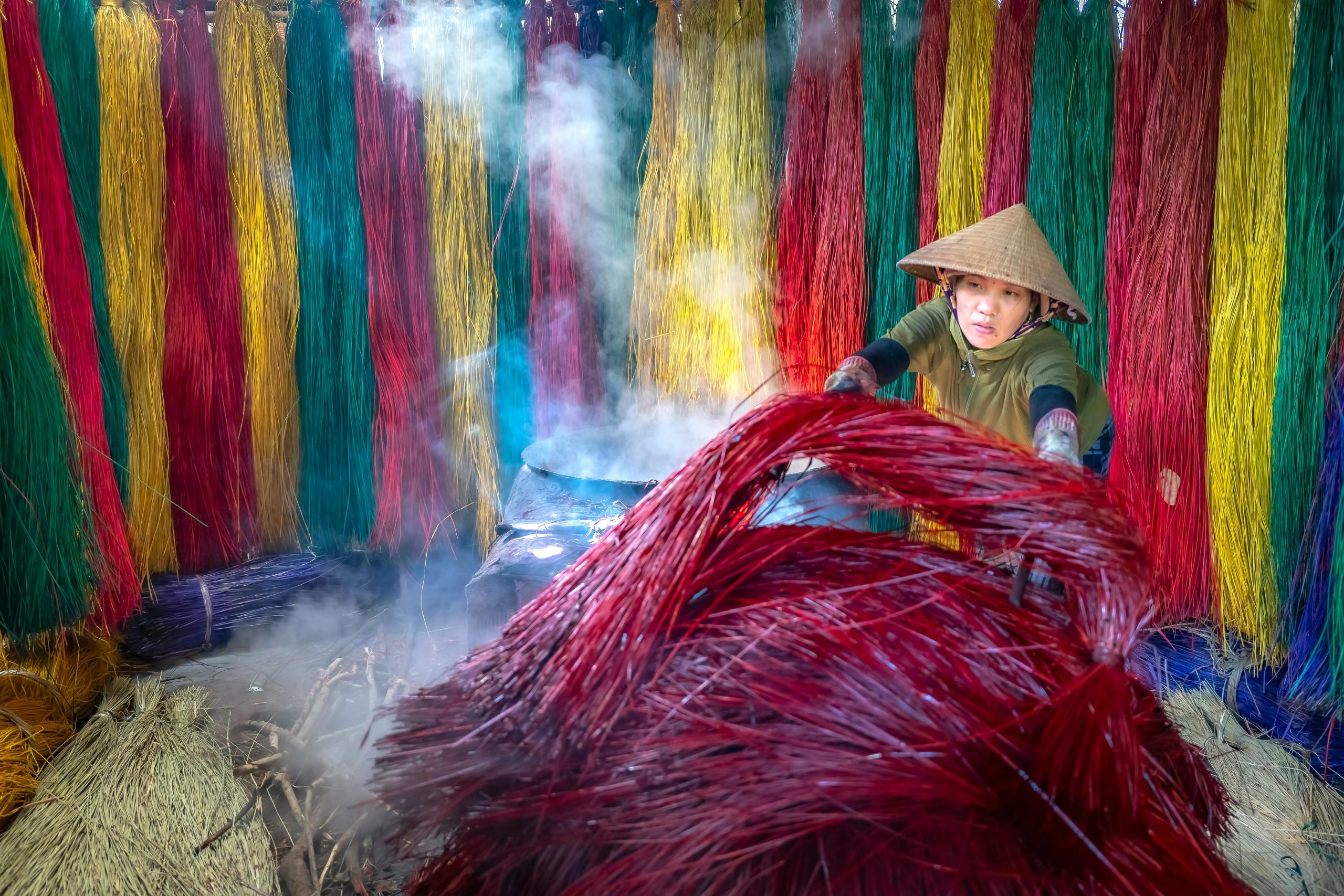
What are Textile Dyes and Pigments?
Before we delve into the different types of textile dyes and pigments, let’s first define what they are. Textile dyes and pigments are substances used to color fibers, yarns, or fabrics. They are an essential part of the textile industry and have been used for centuries to create vibrant and beautiful textiles that we use in our daily lives. Dyes and pigments can be natural or synthetic and come in a variety of colors, making them versatile tools for designers and manufacturers.
Types of Textile Dyes
1. Direct Dyes
Direct dyes are water-soluble dyes that are applied directly to the fabric without the need for a mordant. They are most commonly used on cotton, rayon, and other cellulosic fibers. Direct dyes have a simple chemical structure and are relatively easy to apply, making them a popular choice for mass production. However, they have poor wash and light fastness, meaning they may fade or bleed over time.
2. Acid Dyes
Acid dyes are water-soluble dyes that require an acidic environment to bond with the fabric. They are commonly used on wool, silk, and other protein fibers. Acid dyes have a strong affinity for these fibers, resulting in vibrant and long-lasting colors. However, they can be difficult to apply, and their use is limited to certain types of fibers.
3. Basic Dyes
Basic dyes are water-soluble dyes that require a basic environment to bond with the fabric. They are commonly used on acrylic and other synthetic fibers. Basic dyes have a strong affinity for synthetic fibers, making them ideal for achieving bright and intense colors. However, they have poor wash fastness, and their use is limited to specific types of synthetic fibers.
4. Vat Dyes
Vat dyes are insoluble in water and require a reducing agent to dissolve them. They are most commonly used on cotton and other cellulosic fibers. Vat dyes have excellent light and wash fastness, making them a popular choice for denim and other clothing items that require frequent washing. However, they are complicated to apply and require special equipment, making them more suitable for industrial use.
5. Disperse Dyes
Disperse dyes are insoluble in water and require heat to dissolve them. They are commonly used on polyester and other synthetic fibers. Disperse dyes have excellent wash and light fastness and can achieve a wide range of colors. However, they are not suitable for natural fibers and can be challenging to apply.
Types of Textile Pigments
1. Natural Pigments
Natural pigments are derived from plants, minerals, and animals. They have been used for centuries to dye fabrics and continue to be popular in sustainable and environmentally friendly fashion. However, natural pigments may have limited color options, and their fastness may vary.
2. Synthetic Pigments
Synthetic pigments are man-made and come in a vast array of colors. They are popular in the textile industry due to their versatility and ability to achieve consistent and vibrant colors. However, they may be harmful to the environment, and their fastness may vary depending on the type of fabric they are used on.
3. Special Effect Pigments
Special effect pigments are additives that create unique effects in textiles, such as shimmer, glitter, or iridescence. They are often used in combination with other dyes or pigments to achieve a specific look or texture. However, their use is limited to certain types of fabrics, and their fastness may vary.
Choosing the Right Type of Dye or Pigment
With so many options available, it can be challenging to choose the right type of dye or pigment for your textile project. It’s essential to consider the type of fabric, the desired color, and the fastness requirements. Each type of dye and pigment has its advantages and disadvantages, making it important to understand their properties and applications before deciding which one to use.
Conclusion
Textile dyes and pigments play a crucial role in the creation of vibrant and colorful fabrics. Understanding the different types of dyes and pigments is essential for anyone working with textiles, as each type has its unique properties and applications. As the textile industry continues to evolve and come up with new innovations, it’s up to designers and manufacturers to choose the right type of dye and pigment for their creations, ensuring the production of high-quality and long-lasting textiles.