
The Case for Smaller Class Sizes and Individualized Attention
In today’s fast-paced world, education has become more important than ever. With the increasing demand for skilled professionals, a good education is considered the key to success. However, amidst the focus on test scores and academic achievements, the importance of smaller class sizes and individualized attention often gets overlooked. In this article, we will make a case for why smaller class sizes and individualized attention are crucial components of a quality education.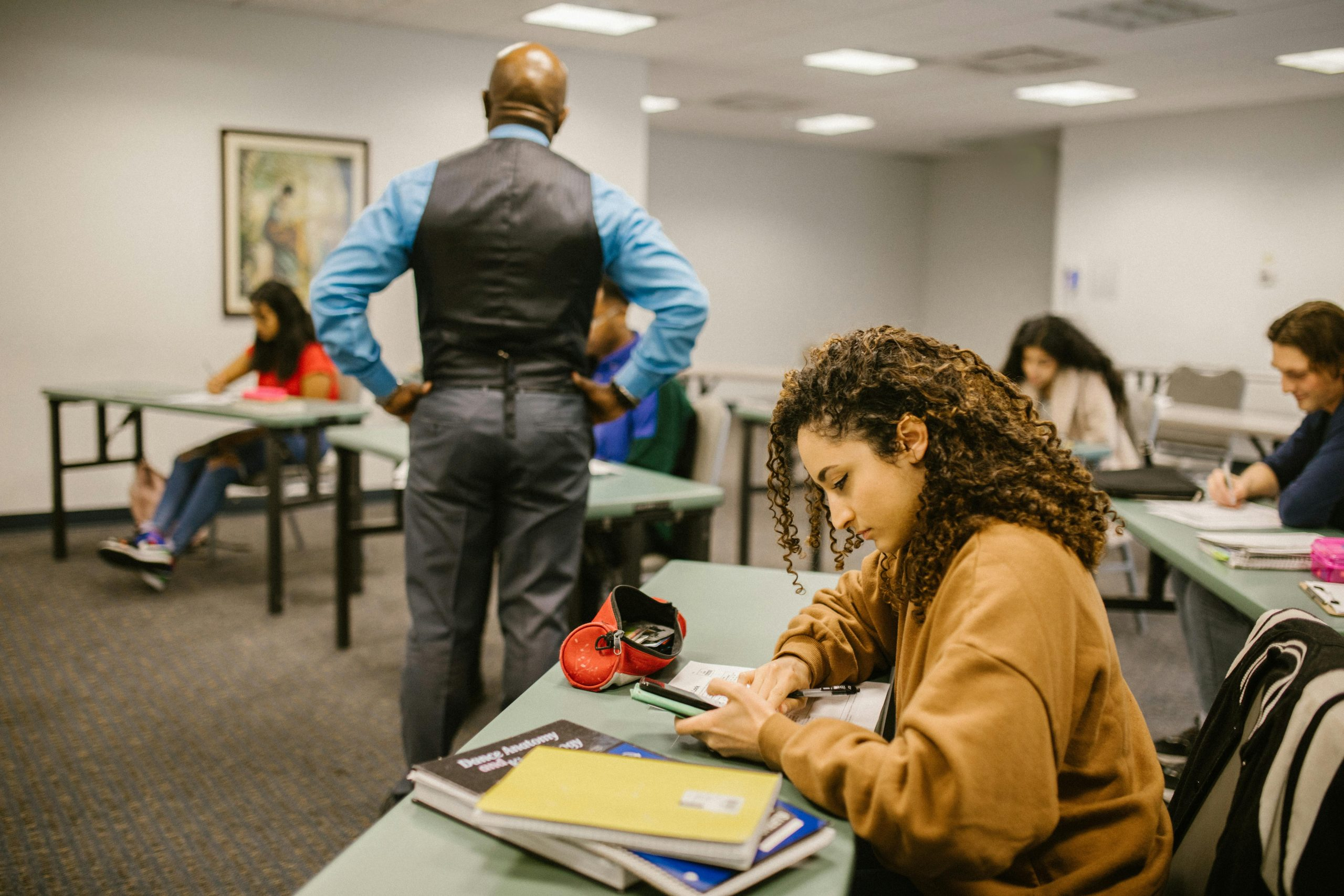
The Impact of Smaller Class Sizes
It is a common belief that a smaller class size is beneficial for students, but what does the research say? Well, numerous studies have shown that smaller class sizes have a positive impact on students’ academic performance, particularly in elementary and middle school. A study by the National Center for Education Statistics found that students in smaller classes tend to perform better on standardized tests and have higher graduation rates compared to their peers in larger classes.
But why is this the case? One reason could be that with fewer students, teachers are able to give more individual attention to each child. They can identify and address the specific needs of each student, providing personalized instruction and support. This can result in a better understanding of the material and improved academic performance.
The Importance of Individualized Attention
As the saying goes, “one size does not fit all.” This is especially true in the context of education. Every student is unique, with different learning styles, abilities, and needs. Yet, in a traditional classroom with large class sizes, it becomes challenging for teachers to cater to the individual needs of each student.
With smaller class sizes, teachers have the time and resources to provide individualized attention to their students. This means they can adapt their teaching methods and strategies to suit the needs of each student. For example, some students may benefit from more hands-on activities, while others may learn better through visual aids. In a smaller class, the teacher can incorporate these different methods to ensure each student is engaged and learning effectively.
The Impact on Student-Teacher Relationships
Beyond academic performance, smaller class sizes also have a positive impact on student-teacher relationships. With fewer students to manage, teachers can create a more welcoming and inclusive classroom environment. They can get to know each student on a personal level, build a rapport, and understand their strengths and weaknesses. This can result in improved communication, higher levels of student engagement, and a stronger sense of belonging for students.
Additionally, with a smaller class, teachers can provide more frequent and meaningful feedback to their students. This can help students track their progress and identify areas for improvement. It also allows teachers to recognize and celebrate each student’s achievements, boosting their confidence and motivation.
The Role of Smaller Class Sizes in Student Well-Being
Beyond academic success, smaller class sizes can also have a positive impact on students’ overall well-being. In a larger classroom, students may feel overwhelmed and lost in the crowd, leading to feelings of isolation, stress, and anxiety. However, with smaller class sizes, students are more likely to receive individual attention, feel supported, and form strong connections with both their peers and teachers.
Moreover, in today’s society where mental health is a growing concern, smaller class sizes can help teachers spot signs of distress or struggles in their students. This can allow for early intervention and support, ensuring the holistic development of each student.
In Conclusion
The case for smaller class sizes and individualized attention is clear. From improved academic performance to stronger student-teacher relationships and better overall well-being, smaller class sizes have a multitude of benefits. As we strive towards providing a quality education for all students, we must not overlook the importance of reducing class sizes and ensuring that each student receives individual attention and support.
So the next time the topic of education reform comes up, remember to make a case for smaller class sizes and individualized attention – because the impact it can have on our future generations is immeasurable.