Exploring the World of Costume Design for Film and Theater
When you think about your favorite movies or theater productions, chances are that the first thing that comes to mind after the storyline and actors is the elaborate and eye-catching costumes. Costume design plays a crucial role in bringing characters and stories to life, creating a visual representation of time, place, and personality. On the surface, it may seem like a glamorous and fun job, but beneath the surface lies a complex and creative world that requires skill, research, and a deep understanding of storytelling. In this article, we’ll explore the world of costume design for film and theater, and gain a deeper appreciation for the role it plays in the entertainment industry.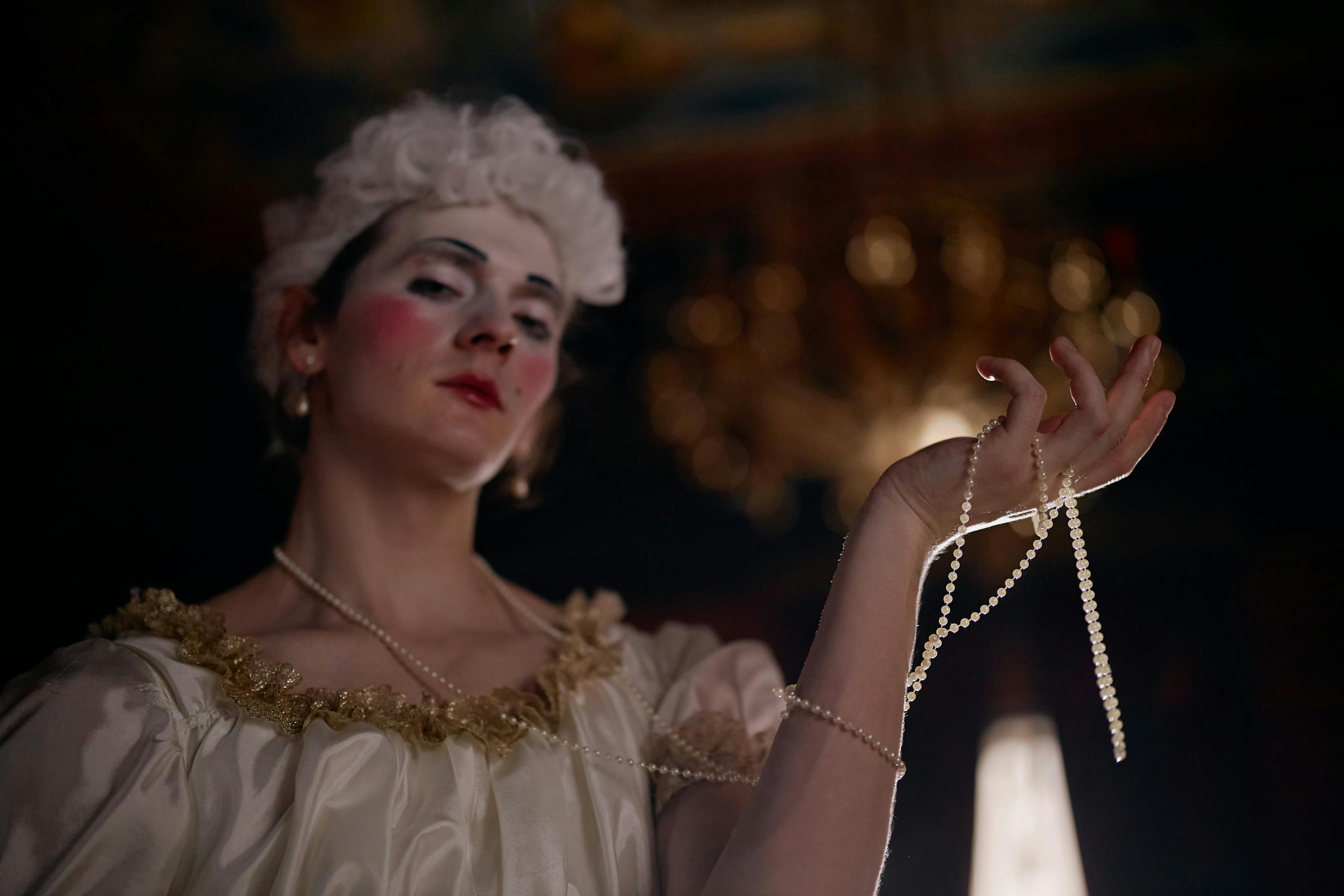
The Importance of Costume Design
Costume design is an essential aspect of the filmmaking and theater process. It helps to set the tone and mood, create a sense of time and place, and give audiences a deeper understanding of characters and their motivations. A well-designed costume can enhance the storytelling, making it more impactful and engaging for the audience. Imagine a period drama without the lavish dresses and suits, or a sci-fi movie without the futuristic clothing – it just wouldn’t have the same effect.
Costume designers work closely with the director, production designer, and actors to bring their vision to life. They often have to research different eras, cultures, and styles to ensure accuracy and authenticity. They also have to consider practical elements such as movement and comfort for the actors, as well as budget and time constraints.
The Creative Process of Costume Design
Research and Concept Development
The first step in creating costumes for a film or theater production is research. Costume designers have to understand the story, setting, and characters to create costumes that are appropriate and enhance the storytelling. They may look at historical events, fashion trends, and cultural references to get inspiration and create mood boards to present to the director and production team.
Once the concept is finalized, the designer will create sketches and illustrations to bring their ideas to life. They may also utilize computer-aided design (CAD) software to create digital mock-ups and experiment with different colors, fabrics, and details.
Collaboration and Production
After the concept and designs are approved, the costume designer will work closely with their team, including costume makers, seamstresses, and buyers, to create the final costumes. They will also collaborate with other departments, such as makeup and hair, to ensure a cohesive look for all the characters.
Costumes are typically made from scratch and require extensive skills and knowledge of different sewing techniques. The designer has to consider factors such as color, texture, and fit to bring their designs to life. They may also have to source fabric and accessories from various locations, including vintage shops and specialized costume supply stores.
Challenges and Rewards
Challenges
Working as a costume designer comes with its own set of challenges. They often have tight deadlines and demanding schedules, especially during production. They also have to work within the specified budget, which can be quite limited for smaller productions.
Additionally, when designing for films, costume designers have to consider continuity. This means designing costumes that look the same in different shots, even if they are filmed at different times. It requires excellent attention to detail and communication with the director and camera department.
Rewards
Despite the challenges, costume design can be an incredibly rewarding job. It allows for a great deal of creativity and self-expression, and the satisfaction of seeing your designs come to life on the big screen or stage is unmatched. Costume designers also get to work with talented actors and collaborate with other creative professionals, making it a dynamic and exciting job.
In Conclusion
The world of costume design for film and theater is a fascinating and multifaceted one. It requires a combination of skills, including creativity, research, and teamwork, to create costumes that not only look good, but also enhance the storytelling. Costume design has the power to transport audiences to different places and times, making it an essential element in the magic of film and theater.