
The History and Evolution of the Piano Instrument
The piano is one of the most beloved and iconic instruments in the world. Its rich history and evolution have contributed to its popularity and enduring presence in both classical and contemporary music. From its humble beginnings in the 1700s to its modern-day form, the piano has undergone significant changes and developments that have shaped its sound and design. In this article, we will take a closer look at the intriguing history and evolution of the piano instrument.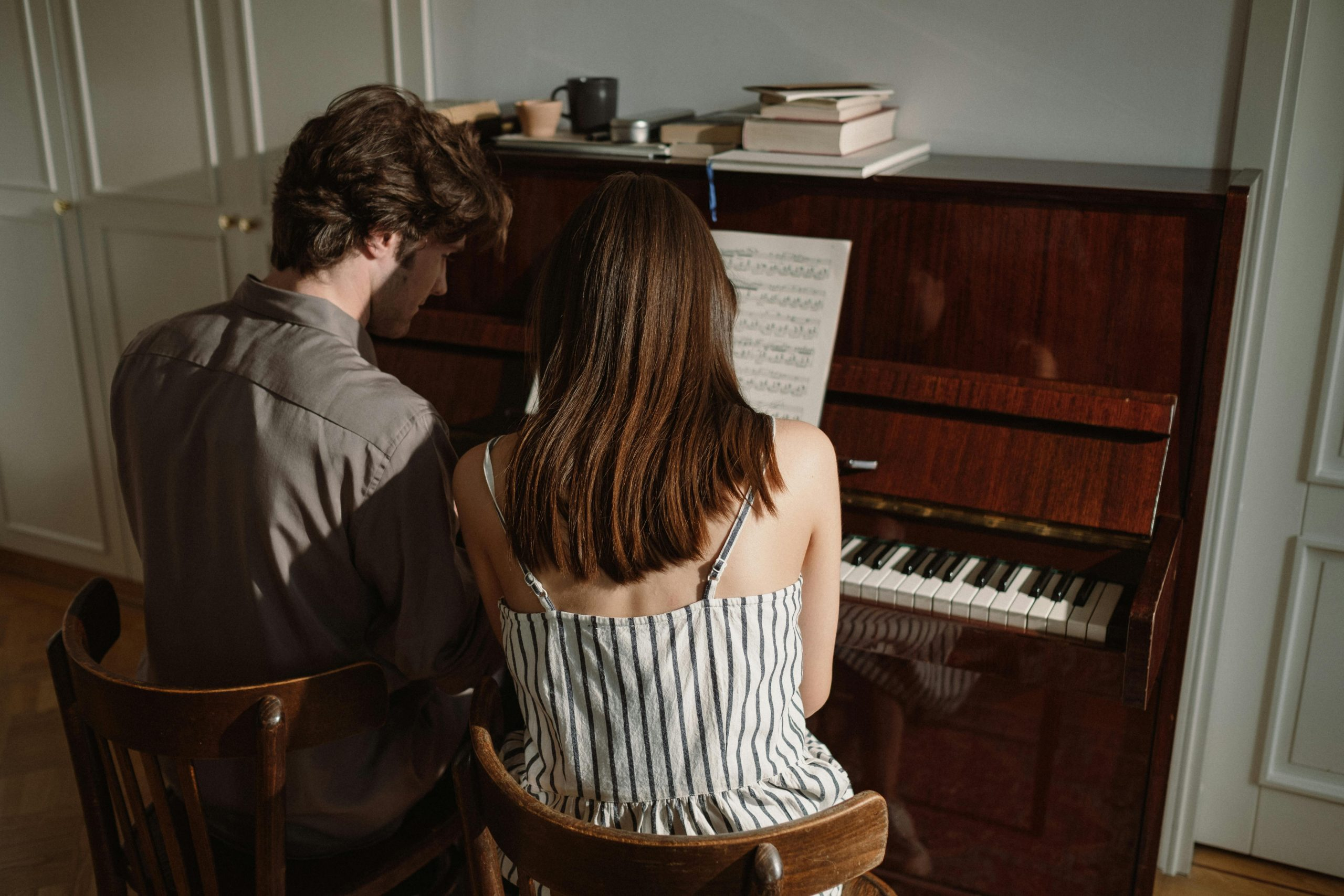
The Early Days of the Piano
The first versions of the piano were developed in the early 1700s by Bartolomeo Cristofori, a harpsichord maker in Florence, Italy. Cristofori was determined to create an instrument with a larger dynamic range than the harpsichord, which could only produce one level of volume. His invention, which he called the “gravicembalo col piano e forte” (meaning “soft and loud keyboard instrument”), had hammers that struck the strings when the keys were pressed, allowing for different levels of volume and expression.
Initially, Cristofori’s invention was met with little interest or demand, and only a handful of pianos were built in his lifetime. However, as other instrument makers began to see the potential of the piano, they started developing their own versions. One of the first notable modifications was made by German instrument maker Gottfried Silbermann, who added a fourth octave to the piano and made other improvements that helped shape the instrument into what we know today.
The Rise of the Piano in the 18th and 19th Centuries
As the piano continued to evolve, its popularity grew, and it became a staple in the music scene of the 18th and 19th centuries. One of the most influential piano makers during this time was the Viennese company of Anton Walter, which introduced innovative advancements such as the double escapement, which allowed for repeated notes to be played quickly and easily.
The 19th century also saw the emergence of some of the most renowned piano makers, including Bechstein, Erard, and Steinway & Sons. These companies incorporated various technological improvements and design changes that helped establish the piano as the leading instrument of the time.
The Modern Piano
In the early 20th century, the piano saw significant advancements in design and technology. One of the most notable changes was the introduction of the cast-iron frame, which allowed for much greater string tension and enhanced the instrument’s sound. This development also led to the creation of larger, more powerful grand pianos that could fill large concert halls.
With the rise of electronic instruments in the 20th century, the piano faced competition from synthesizers and digital keyboards. However, piano makers continued to innovate and adapt, incorporating electronic elements into their instruments while still preserving the traditional features that make the piano unique.
The Impact of the Piano on Music
The piano has had a profound impact on the world of music. Its versatile sound, wide range, and expressive capabilities have made it a popular choice for composers and performers across genres. From classical music to jazz, from pop to rock, the piano has played a significant role in shaping the sound of various music styles.
Moreover, the piano has also influenced the development of other instruments. Its keyboard layout has served as the basis for many other keyboard instruments, including the organ, harpsichord, and accordion. Today, the piano continues to inspire and influence new generations of musicians, and its distinctive sound remains as captivating as ever.
Conclusion
The evolution of the piano instrument has been a fascinating journey that has seen countless innovations and developments. From its humble beginnings as an experimental instrument in the 18th century to its modern-day form, the piano has retained its timeless appeal and importance in music. Whether it’s at a concert hall, a music studio, or a living room, the piano continues to captivate audiences and create beautiful music, making it an integral part of our musical heritage.