
Exploring Modular and Prefabricated Housing Construction
With the growing demand for affordable and sustainable housing options, the construction industry has been exploring new methods to meet these needs. One such method is modular and prefabricated housing construction, which has gained significant traction in recent years. This innovative approach to building homes offers numerous benefits over traditional construction methods, making it a popular choice for individuals and developers alike. In this article, we will delve deeper into the world of modular and prefabricated housing construction, exploring its advantages, challenges, and potential for the future.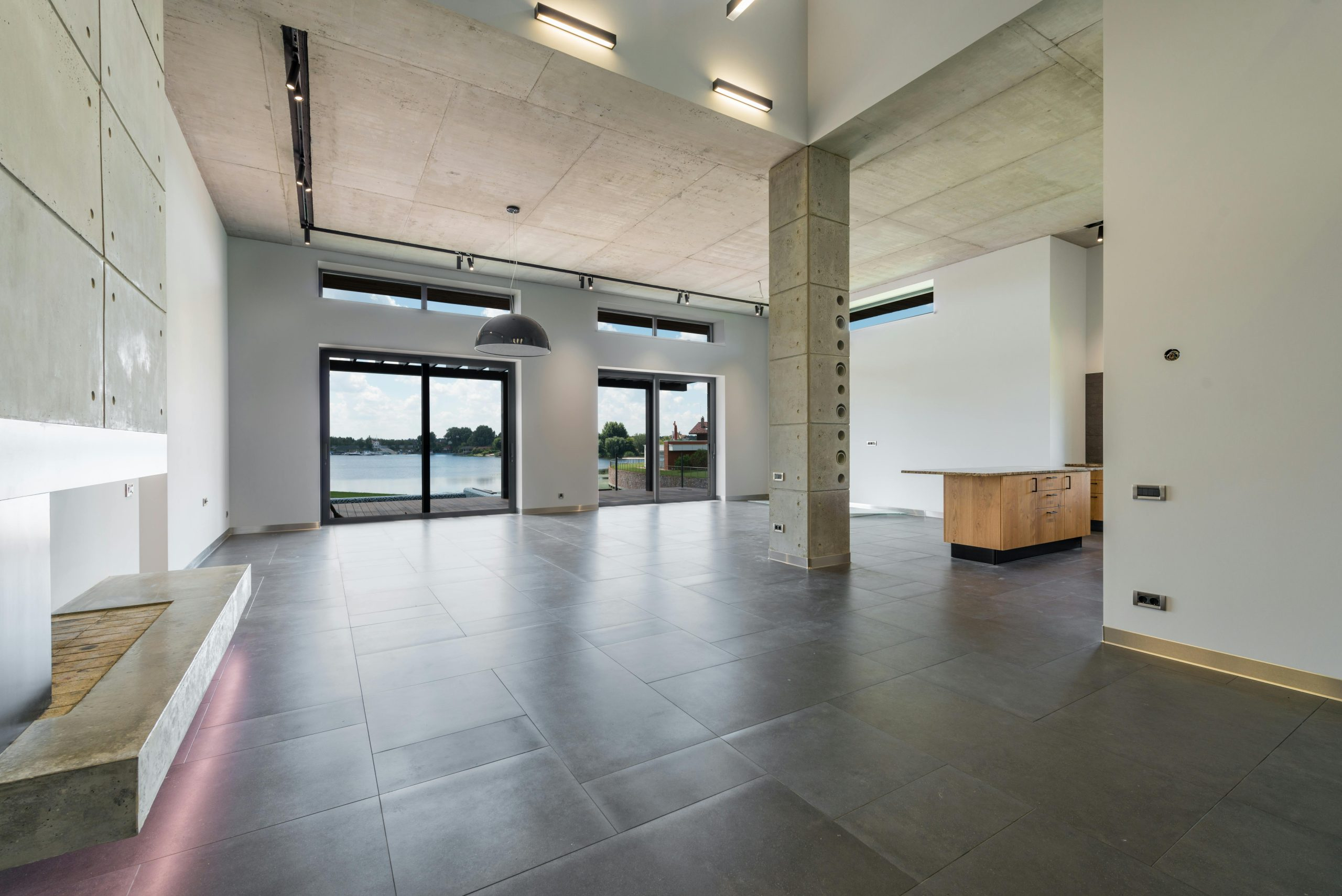
The Basics of Modular and Prefabricated Housing Construction
Modular and prefabricated housing construction, also known as prefabs or off-site construction, involves constructing homes in a factory setting and then transporting the finished modules to the building site for assembly. These modules are built to precise specifications, using advanced technology and precision machinery, ensuring consistent quality and adherence to building codes and standards.
Modular construction works on the principle of assembly-line production, where each module is built separately, and then all the modules are brought together to form the complete house. This method eliminates the need for on-site building, reducing the time, labor, and cost involved in traditional construction.
The Advantages of Modular and Prefabricated Housing Construction
1. Cost-Effective
One of the primary advantages of modular and prefabricated housing construction is its cost-effectiveness. The use of factory production and advanced technology helps to reduce labor costs, as well as eliminate any wastage of materials. Moreover, the speed of construction also reduces the overall cost of the project, as less time is spent on site.
2. Faster Construction
Modular and prefabricated construction can be completed in a fraction of the time it takes for traditional construction. Since the modules are built in a controlled factory environment, there are no delays due to weather or other external factors. Additionally, the assembly of the modules at the construction site can be completed in a matter of days, rather than weeks or months.
3. Quality and Consistency
The precision and advanced technology used in modular and prefabricated construction ensure consistent quality in every module. This results in a stronger, more durable, and defect-free structure. Furthermore, each module is inspected and approved by quality control experts, ensuring that it meets all building codes and standards.
4. Sustainability
Modular and prefabricated housing construction is also a more sustainable option compared to traditional construction. Since the majority of the building process takes place in a factory, there is less noise, pollution, and disturbance to the environment. Additionally, with the use of advanced insulation materials and energy-efficient designs, modular homes can be more energy-efficient, reducing their environmental impact in the long run.
5. Flexibility and Customization
Despite being mass-produced, modular homes offer a high degree of flexibility and customization. Each module can be designed and built according to the specific needs and preferences of the homeowner. Moreover, modular homes can be expanded and modified easily, making them a more adaptable option for future needs.
The Challenges of Modular and Prefabricated Housing Construction
While modular and prefabricated construction offers numerous benefits, there are also some challenges associated with this method. The transportation of the finished modules to the construction site can be costly and may require specialized equipment. Additionally, the limited options for customization during the construction process may not appeal to everyone.
The Future of Modular and Prefabricated Housing Construction
Despite the challenges, the future looks promising for modular and prefabricated housing construction. With the continued advancement of technology and sustainable practices, this method of construction is only likely to become more popular. Moreover, the demand for affordable and sustainable housing is only increasing, making modular and prefabricated housing construction a viable solution for meeting the needs of the future.
In conclusion, modular and prefabricated housing construction offers a cost-effective, efficient, and sustainable alternative to traditional construction methods. With its numerous advantages and potential for future growth, it is not surprising that the construction industry is exploring this innovative approach to building homes. As more individuals and developers become aware of the benefits of modular and prefabricated housing construction, it is safe to say that its popularity will only continue to rise in the years to come.