
The Challenges of Investing in Remote Rural Properties
Welcome to the world of investing in remote rural properties. It can be a lucrative venture for those seeking a slower pace of life and an opportunity to disconnect from the hustle and bustle of city living. However, as with any investment, there are challenges that must be considered before taking the plunge. In this article, we will explore the unique challenges of investing in remote rural properties and provide insights and tips to help you make the most of this investment opportunity.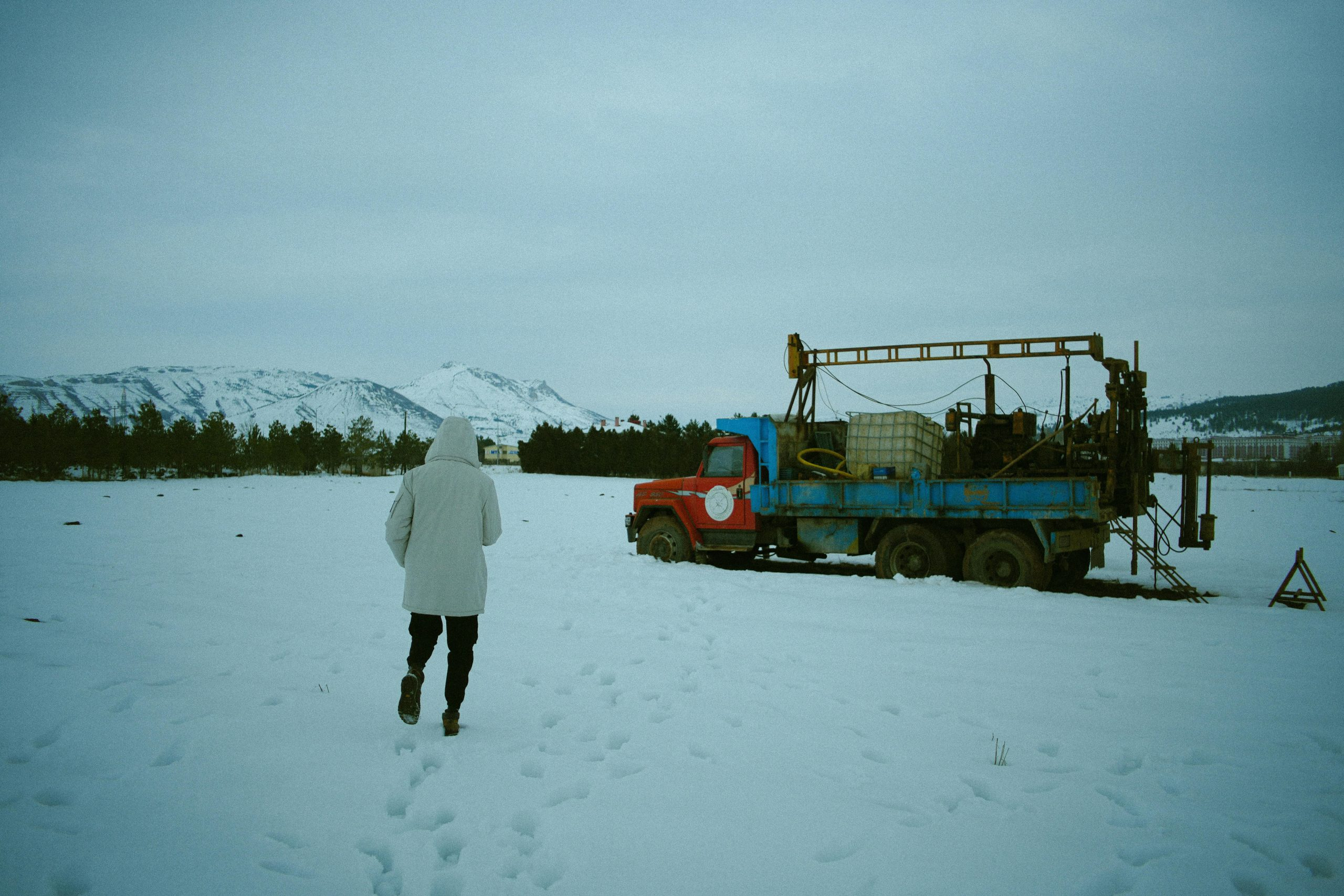
The Appeal of Investing in Remote Rural Properties
Before diving into the challenges, let’s first take a moment to understand the appeal of investing in remote rural properties. For many, the allure lies in the escape from urban life and the opportunity to reconnect with nature. Rural properties offer peace, tranquility, and the chance to live a self-sufficient lifestyle. They also come at a significantly lower cost compared to properties in urban areas.
Moreover, investing in remote rural properties can be a smart financial move. These properties often have a lower purchase price and lower ongoing expenses, making it easier to turn a profit. With the growing trend of people seeking a more sustainable and back-to-basics lifestyle, the demand for rural properties is increasing, making it a lucrative investment opportunity.
The Challenges of Remote Rural Property Investments
Accessibility
One of the first and most significant challenges of investing in remote rural properties is accessibility. Many remote properties are located in isolated areas, far from major cities, which can make it difficult to access for investors, property managers, and potential renters. This can impact both the initial purchase and ongoing management of the property.
Additionally, remote rural properties may not have access to basic amenities, such as electricity, water, and internet, which can make it challenging to attract and retain renters. Moreover, the lack of reliable infrastructure in remote areas can also result in higher costs for maintenance and repairs.
Maintenance and Property Management
Maintenance and property management are two crucial aspects of owning an investment property, and they can become especially challenging when it comes to remote rural properties. Maintaining a property in a remote area often requires additional resources, time, and money due to the lack of access to basic services and skilled labor in the area. This can add up quickly and eat into your profits.
Furthermore, finding reliable and experienced property managers in remote areas can be difficult, which can lead to higher management fees or the added burden of managing the property yourself.
High Risk of Natural Disasters
Remote rural properties are often located in areas that are more prone to natural disasters, such as floods, bushfires, and hurricanes. Investing in these properties comes with an added risk of significant damages and losses due to these events. This can result in higher insurance costs and the added stress of dealing with the aftermath of a natural disaster.
Low Demand and Long Vacancy Periods
Due to the limited amenities and lack of convenience in remote areas, there may be low demand for rental properties. This can result in longer vacancy periods, meaning potential periods of negative cash flow. Additionally, even when you do find renters, the pool of potential renters may be smaller and more selective, making it challenging to find suitable tenants for your property.
Tips for Investing in Remote Rural Properties
Research, Research, Research
The most important tip for investing in remote rural properties is to do your research. Understand the area, the market, and the unique challenges of the location before making any investment decisions. This includes looking at the accessibility, local amenities, potential risks, and demand for rental properties in the area. The more you know, the better equipped you will be to make a successful investment.
Partner with Experienced Professionals
Partnering with experienced professionals can make a world of difference when investing in remote rural properties. Look for property managers and real estate agents who have experience in the area and understand the unique challenges involved in managing and renting rural properties.
Create an Emergency Fund
As with any investment, it’s essential to have an emergency fund set aside specifically for your remote rural property. With the added risk of natural disasters and high maintenance costs, having a backup fund can provide peace of mind and protect your investment.
Utilize Technology
Thanks to advancements in technology, it’s easier than ever to stay connected and manage properties remotely. Utilize smart home technology and property management software to stay on top of maintenance, communication with tenants, and track your property’s performance from a distance.
Be Patient and Plan for the Long-term
Investing in remote rural properties may require a longer time horizon for a return on your investment. It’s essential to have a patient and long-term mindset when investing in these properties. Consider the potential for rental demand to increase in the future and the possibility of capital appreciation over time.
Conclusion
Investing in remote rural properties may be a challenging venture, but with careful research, planning, and patience, it can prove to be a rewarding and profitable investment. Be aware of the unique challenges and take the necessary steps to mitigate potential risks. With the growing demand for a simpler and sustainable lifestyle, investing in remote rural properties can be a smart choice for those seeking a more relaxed and back-to-basics way of life.