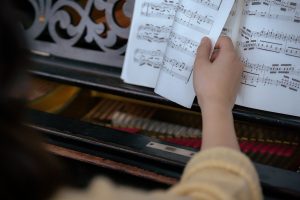
The Unexpected Crossover of Opera and Pop Music
When one thinks of opera, images of grandiose performances, dramatic storylines, and formal attire often come to mind. On the other hand, pop music is associated with catchy tunes, energetic performances, and a more casual atmosphere. These two genres may seem worlds apart, but in recent years, there has been a surprising trend of crossover between opera and pop music. From classical-crossover artists to pop singers incorporating operatic elements into their music, the unexpected marriage of opera and pop has captured the attention of audiences worldwide. Let’s dive deeper into this unique phenomenon and explore the unexpected crossover of opera and pop music.
The Rise of Classical-Crossover Artists
In the early 2000s, classical-crossover artists such as Andrea Bocelli, Sarah Brightman, and Josh Groban rose to fame, bridging the gap between opera and pop. These singers were classically trained but also had a distinct pop sound, making their music appealing to a wider audience. They often performed with pop singers, appeared on popular TV shows and commercials, and gained a strong following outside of the traditional opera world.
The success of these classical-crossover artists paved the way for other singers to experiment with blending opera and pop elements in their music. One such artist is the British tenor, Alfie Boe, who gained recognition for his role as Jean Valjean in the 25th-anniversary concert of Les Misérables. In addition to his musical theater career, Boe has released several albums that combine iconic arias with modern songs from artists like Queen and Coldplay.
Pop Singers Incorporating Operatic Elements
The crossover trend is not limited to classical-crossover artists; even mainstream pop singers have begun incorporating operatic elements into their music. In 2015, pop superstar Ariana Grande’s song “Break Free” featured a powerful operatic vocal bridge, which surprised and delighted her fans. Other pop singers, such as David Bowie and David Byrne, have also collaborated with opera singers, bringing the two genres together in a new and exciting way.
Additionally, some pop music has been heavily influenced by classical music. Take the hit song “Rolling in the Deep” by Adele, which features a prominent string section and steady piano accompaniment, both of which are often associated with classical music. This fusion of genres has broadened the horizons of both opera and pop music, creating a unique and innovative sound.
Opera Adaptations and Collaborations
In recent years, there has been a surge in opera adaptations of popular culture. From operatic renditions of Shakespeare’s plays to operas based on superhero stories, opera companies are finding new ways to attract younger audiences by incorporating familiar storylines and characters into their performances. This approach has proved successful in breaking down traditional barriers and making opera more accessible to a wider audience.
Furthermore, collaborations between opera singers and pop artists are becoming more common. The iconic performance of Freddie Mercury and Montserrat Caballé singing “Barcelona” at the 1992 Olympics showed the world the power of blending opera and pop. Today, we see more and more artists coming together from different genres to create dynamic and unexpected collaborations, highlighting the versatility and potential of mixing opera and pop music.
The Future of Opera and Pop Crossover
The unexpected crossover of opera and pop music has opened new doors for both genres, creating a unique and diverse musical landscape. As traditional barriers continue to break down, the future is bright for the fusion of opera and pop. We can expect to see more collaborations, adaptations, and crossover artists, as both genres continue to evolve and merge in exciting ways.
In conclusion, the unexpected crossover of opera and pop music has brought new life to both genres and expanded their reach to a broader audience. From classical-crossover artists to pop singers incorporating operatic elements, and the adaptation and collaboration of these two genres, it’s clear that the future of opera and pop music is bright and full of exciting possibilities.