Creating Inclusive Classrooms for Students with Diverse Needs
Welcome to the age of inclusion, where diversity is celebrated and everyone is welcome. In today’s classrooms, there is an increasing number of students with diverse needs, ranging from different learning abilities, cultural backgrounds, social and emotional needs, and disabilities. As educators, it is our responsibility to create an inclusive learning environment that caters to the needs of all students. In this article, we will explore the important aspects of creating inclusive classrooms for students with diverse needs.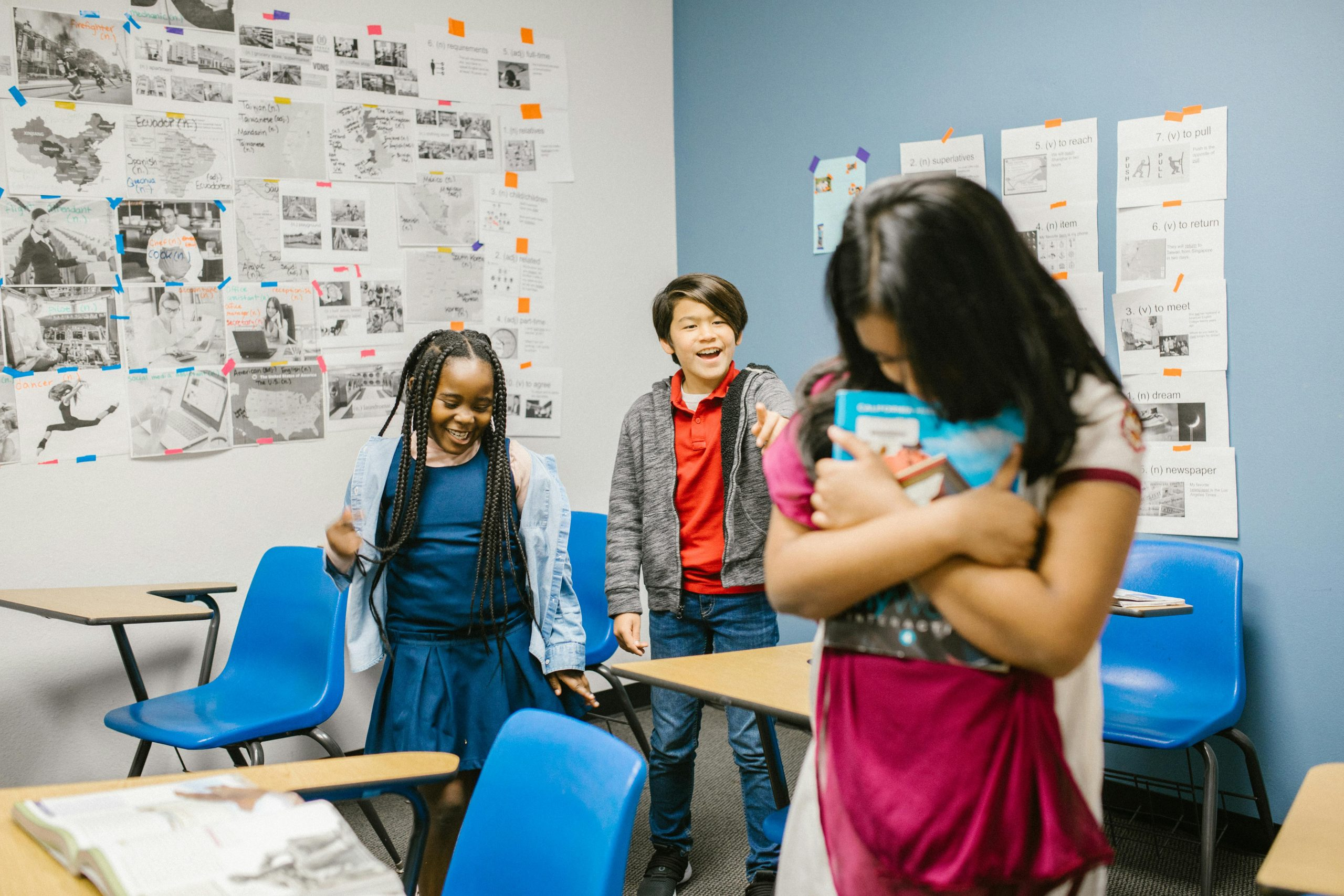
Understanding Inclusion
Inclusion in education refers to the practice of providing all students, regardless of their differences, with equal access to education and opportunities for learning. It is not just about physical inclusion but also involves creating a supportive and accepting learning environment that values diversity and promotes positive attitudes towards differences.
Identifying Diverse Needs
The first step in creating an inclusive classroom is to identify the diverse needs of your students. This goes beyond academic abilities and includes factors such as language, culture, socio-economic status, and disabilities. As educators, we must be aware of our students’ diverse needs and provide appropriate support and accommodations to ensure their success in the classroom.
Creating an Inclusive Curriculum
A key aspect of creating inclusive classrooms is having an inclusive curriculum. This means adapting and modifying the curriculum to meet the needs of all students. For students with diverse needs, this could mean providing additional resources, differentiated instruction, or using alternative assessment methods. By making these adjustments, we can ensure that all students have an equal opportunity to learn and succeed.
Collaboration and Communication
Effective collaboration and communication between educators, parents, and other professionals are essential in creating a truly inclusive classroom. By working together, we can share knowledge and expertise, identify the best strategies for each student, and monitor their progress. This helps to create a cohesive support system that benefits all students, especially those with diverse needs.
Cultivating an Inclusive Environment
Building an inclusive classroom goes beyond making adjustments to the curriculum. It also involves creating a classroom culture that celebrates diversity and promotes a sense of belonging for all students. This can be achieved by incorporating diverse materials and perspectives into lessons, encouraging positive interactions among students, and addressing any discriminatory behavior immediately. By creating a welcoming and accepting environment, students with diverse needs will feel valued and included in the classroom community.
Professional Development and Training
To create truly inclusive classrooms, educators must continuously update their skills and knowledge. Professional development and training programs can provide valuable insights and strategies for working with students with diverse needs. By staying informed and learning new techniques, educators can better support their students and create an inclusive learning environment.
The Benefits of Inclusive Classrooms
Creating inclusive classrooms not only benefits students with diverse needs, but it also has a positive impact on the entire classroom. By learning and interacting with students from different backgrounds, all students develop a better understanding and appreciation of diversity. It also promotes empathy, respect, and acceptance, helping to create a more inclusive and harmonious society.
Inclusion is a Continuous Process
Creating an inclusive classroom is an ongoing process that requires dedication and constant evaluation. As students’ needs and the education landscape continue to evolve, so must our approach to inclusion. By continuously adapting and improving our practices, we can create classrooms that truly cater to the needs of all students.
In conclusion, creating an inclusive classroom for students with diverse needs is crucial in promoting equity and ensuring the success of all students. By understanding and embracing diversity, providing inclusive curriculum and environments, and continuous professional development, we can create truly inclusive learning environments that benefit all students.