Designing Curricula That Reflect Diverse Cultural Perspectives
Education plays a crucial role in shaping the minds of future generations. It not only teaches academic concepts but also helps individuals develop critical thinking skills and broaden their perspectives. As our society becomes more diverse, it is imperative that our education system reflects and celebrates this diversity. This is where the concept of designing curricula that reflect diverse cultural perspectives comes into play. In this article, we will explore the importance of incorporating cultural diversity in curricula and how it can be achieved.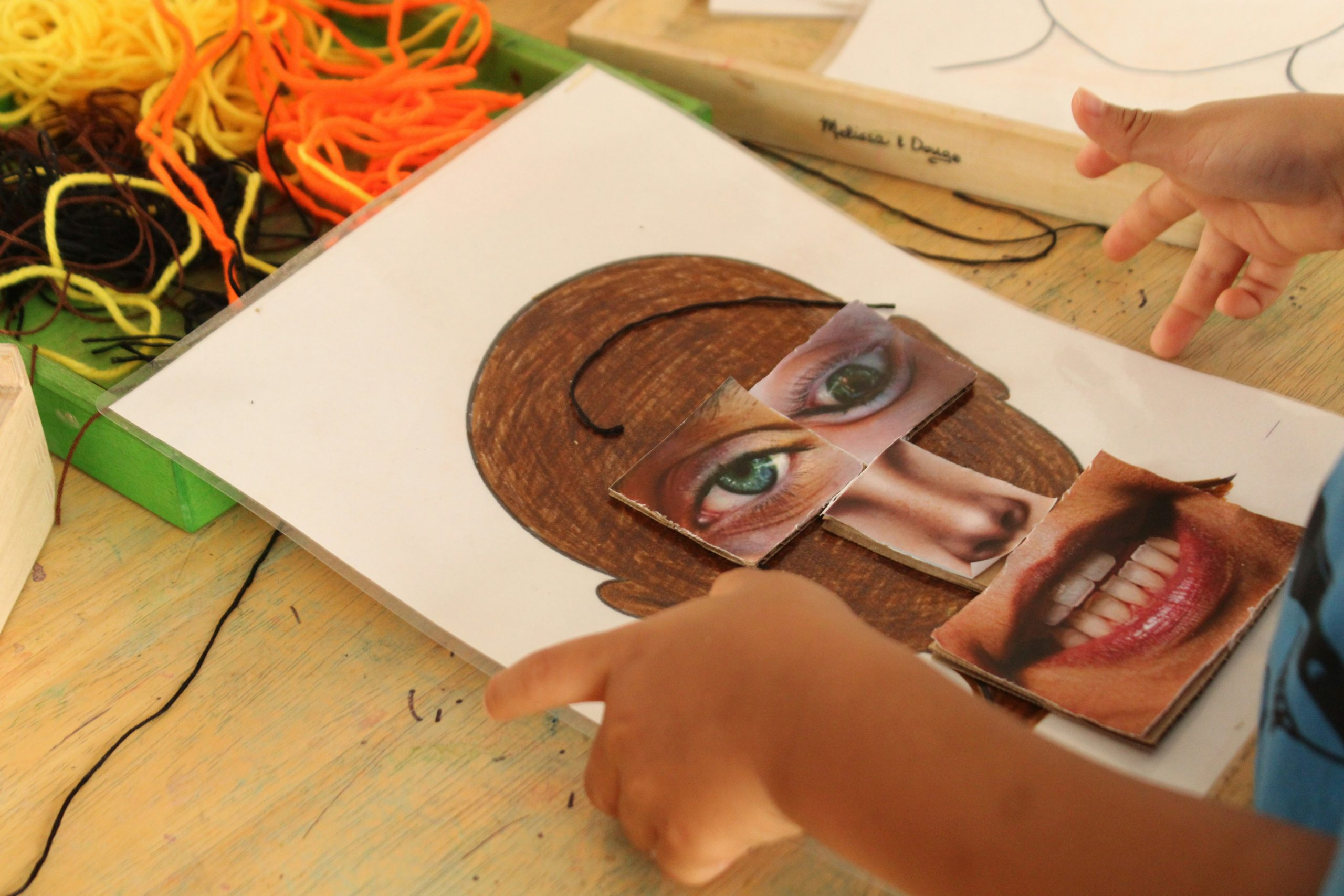
The Need for Cultural Diversity in Curricula
As the world becomes more interconnected, it is essential for individuals to have an understanding and appreciation for other cultures. This not only promotes a sense of unity and acceptance but also prepares individuals to be active global citizens. Exposing students to different cultural perspectives in the classroom can also promote empathy and reduce prejudice.
Furthermore, incorporating cultural diversity in curricula can lead to better academic outcomes. Research has shown that students perform better when their cultural backgrounds and experiences are reflected in their learning materials. This is because it creates a sense of relevance and helps students make connections between their own experiences and what they are learning.
Barriers to Incorporating Cultural Diversity in Curricula
Despite the benefits, there are several barriers to implementing a culturally diverse curriculum. One of the main challenges is the lack of representation in the education system. According to a study by the National Education Association, 80% of teachers in the United States are white, whereas over 50% of students come from diverse backgrounds. This leads to a disconnect between the students’ cultural identities and the materials being taught.
In addition, the standardized testing and curriculum requirements imposed by educational institutions can also hinder the incorporation of diverse cultural perspectives. Teachers often feel pressured to focus solely on preparing students for these tests, leaving little room for incorporating other cultural perspectives.
Designing Curricula That Reflect Diverse Cultural Perspectives
So how can educators overcome these barriers and design curricula that are inclusive and reflective of diverse cultural perspectives?
1. Educate Yourself
The first step towards designing culturally diverse curricula is to educate yourself about different cultures and their customs, traditions, and histories. This will help you understand the needs and perspectives of your students better. Reach out to colleagues from diverse backgrounds and attend diversity and cultural competency training workshops.
2. Incorporate Diverse Resources
Include materials such as books, videos, and articles from diverse authors and perspectives in your teaching materials. This will provide students with a more comprehensive and accurate understanding of different cultures. It is also essential to critically evaluate these resources to ensure they are not perpetuating harmful stereotypes.
3. Create Inclusive Lesson Plans
When designing lesson plans, consider how you can incorporate diverse cultural perspectives. For example, you can incorporate activities that allow students to share their own cultural experiences or have discussions about current events from a global perspective.
4. Collaborate with Diverse Communities
Engage with diverse communities to bring in guest speakers and experts to share their experiences and expertise with students. This will not only enrich students’ learning but also create a sense of connection and understanding with different cultures.
5. Provide Professional Development Opportunities
Provide professional development opportunities for educators to learn how to implement culturally diverse curricula effectively. Offer workshops, training, and resources to support teachers in designing inclusive lesson plans and creating a welcoming classroom environment for all students.
Conclusion
Incorporating diverse cultural perspectives in curricula is crucial for creating a more inclusive and equitable education system. By educating ourselves, using diverse resources, and collaborating with diverse communities, we can design curricula that reflect and celebrate the cultural diversity of our students. As educators, it is our responsibility to prepare our students to become global citizens who are equipped to thrive in a diverse and interconnected world.