Fostering Creativity: Nurturing the Next Generation of Thinkers
Welcome to the age of innovation and creativity. With technology advancing at a rapid pace, the need for creative thinking has never been greater. As we face new challenges and opportunities in this modern era, it is essential that we nurture the next generation of thinkers who will lead us into the future. In this article, we will explore the importance of fostering creativity and how we can nurture it in the younger generation.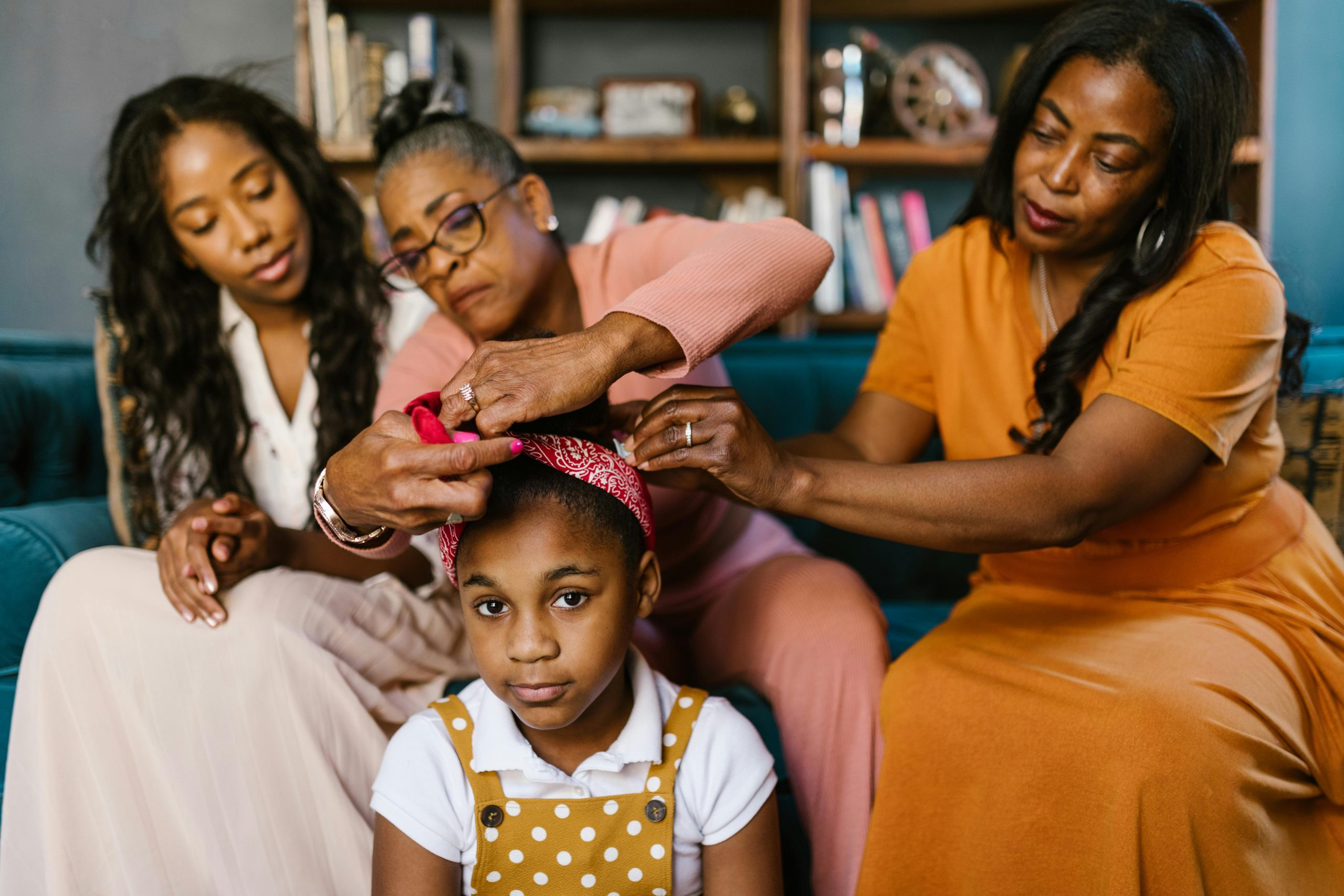
Why is creativity important?
Creativity is the ability to think outside the box, to imagine and innovate. It is what drives progress and leads to new and exciting ideas. In a world where change is constant, creativity is crucial for adapting and thriving. It encourages problem-solving, critical thinking, and the ability to see things from different perspectives. It is also the driving force behind entrepreneurship and economic growth.
How does creativity benefit the younger generation?
Creativity is a natural inclination for children. It is their way of exploring the world and expressing themselves. By fostering creativity in young minds, we are enabling them to develop skills that will serve them well in the future. With creativity, children can tackle any challenge and find solutions to complex problems. It also boosts their confidence and helps them to communicate their thoughts and ideas effectively.
The role of parents and educators in fostering creativity
Cultivate a creative environment
Children need space to explore and be imaginative. As parents and educators, it is our responsibility to provide an environment that encourages creativity. This could be through open-ended activities, art supplies, or even just outdoor playtime. By letting children use their imagination, we are allowing them to develop their creativity.
Encourage curiosity and experimentation
Curiosity and experimentation are the building blocks of creativity. Children are naturally curious, and we should encourage this by letting them ask questions and explore different interests. We should also allow them to experiment and make mistakes, as this is how they learn and develop new ideas.
Provide opportunities for creative thinking
At home and in the classroom, we can provide opportunities for children to engage in creative thinking activities. This could include problem-solving challenges, creating stories or art projects, or brainstorming new ideas. By giving children the chance to think creatively, we are nurturing their natural skills and helping them develop crucial thinking skills.
The importance of play in boosting creativity
Play is a powerful tool for fostering creativity. It allows children to explore and experiment freely, without any restrictions. Through play, children can use their imagination and develop their own ideas, without the pressure of following rules or instructions. It also allows them to learn from their mistakes and try again, promoting resilience and perseverance.
How to incorporate play into everyday life?
Parents and educators can incorporate play into everyday life by providing unstructured playtime, engaging in imaginative play together, or using play-based learning methods in the classroom. This could include interactive learning activities, storytelling, or hands-on experiments. By making play a part of daily life, we are nurturing creativity in children and helping them to develop a lifelong love for learning.
The future of creativity lies in the hands of our children
As we move towards a more advanced and technology-driven world, creativity will continue to play a crucial role in shaping the future. By nurturing creativity in the younger generation, we are ensuring a future filled with innovative thinkers who can adapt to new challenges and bring about positive change. It is our responsibility to provide children with the tools and environment to foster their creativity, and in doing so, we can pave the way for a better tomorrow.
In conclusion
Fostering creativity in the next generation is more important than ever. By understanding its significance, we can encourage its development in children and help them unleash their full potential. As parents and educators, we play a vital role in nurturing creativity, and by providing a creative environment, encouraging curiosity and experimentation, incorporating play, and giving children opportunities for creative thinking, we can foster the next generation of thinkers who will lead us into a bright and innovative future.