Rethinking School Curricula for the Modern Global Citizen
Welcome to a new era of education, where the world is becoming increasingly interconnected and globalized. With the growth of technology and communication, it has become essential for schools to rethink their curricula and prepare students to become modern global citizens. It is no longer enough to focus solely on academic success, but rather to equip students with the skills and knowledge to navigate a diverse and ever-changing world.
The Importance of Rethinking School Curricula
The traditional school curriculum was designed with the goal of preparing students for a career in their own country. However, in today’s world, boundaries are becoming less and less defined, and countries are increasingly dependent on one another. This means that students need to be prepared to work and communicate with people from different cultures and backgrounds. By rethinking school curricula, we can ensure that students are ready to face the challenges of an interconnected world.
Developing Global Awareness
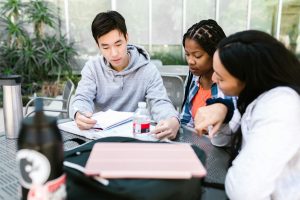
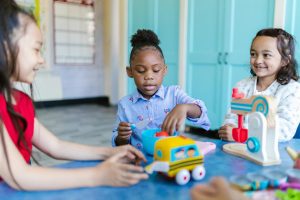
One of the key aspects of rethinking school curricula is developing global awareness. This means educating students about different cultures, religions, and socio-economic realities from an early age. By exposing students to diverse perspectives, they can learn to appreciate and respect cultural differences. This will not only help them in their personal lives but also in their future careers. Employers are increasingly looking for individuals who have a global mindset and can work effectively in diverse teams.
Critical Thinking and Problem Solving
In addition to developing global awareness, it is crucial to focus on critical thinking and problem-solving skills. As the world becomes more complex and interconnected, students need to be able to think critically and come up with innovative solutions to global issues. This can be achieved by incorporating real-world problems into the curriculum and encouraging students to think critically about different perspectives and solutions.
Technology and Digital Skills
Technology has revolutionized the way we live, communicate, and work. To prepare students for the future, it is essential to integrate technology and digital skills into the curriculum. This includes not only teaching students how to use technology but also how to use it responsibly and ethically. In today’s digital age, it is crucial for students to understand cybersecurity, online privacy, and digital citizenship.
The Benefits of Rethinking School Curricula
Rethinking school curricula can bring numerous benefits to students, educators, and society as a whole. By preparing students to become modern global citizens, we can create a more peaceful, interconnected, and prosperous world. Additionally, an emphasis on critical thinking, problem-solving, and digital skills can lead to better job opportunities and career success for students.
Adapting to a Changing World
The world is constantly evolving, and so should our education system. By rethinking school curricula, we can ensure that students are prepared for the opportunities and challenges of the future. As the global job market becomes increasingly competitive, it is essential to equip students with the necessary skills and knowledge to thrive in a rapidly changing world.
Fostering Global Citizenship
Lastly, rethinking school curricula can promote the development of global citizenship. This means instilling in students a sense of responsibility towards their local communities and the world at large. By understanding and appreciating cultural differences, students can become empathetic and compassionate individuals who contribute positively to society.
In Conclusion
In conclusion, rethinking school curricula for the modern global citizen is crucial in preparing students for the challenges and opportunities of an increasingly interconnected world. By developing global awareness, critical thinking and problem-solving skills, and technology and digital skills, we can create a more inclusive and prosperous society. As educators, it is our responsibility to ensure that we are preparing students to become responsible, empathetic, and successful global citizens.