The Importance of Arts Integration in Primary Education
In today’s society, education is often seen as a means to an end – get good grades, go to college, get a job. However, education is much more than that. It is the foundation upon which our children learn and grow into well-rounded individuals. As educators, it is our responsibility to not only teach academic subjects but also to foster creativity, critical thinking, and social skills. This is where arts integration comes into play. Integrating the arts into primary education has been proven to have numerous benefits for young learners. In this article, we will explore the importance of arts integration in primary education and how it can positively impact the development of our future leaders.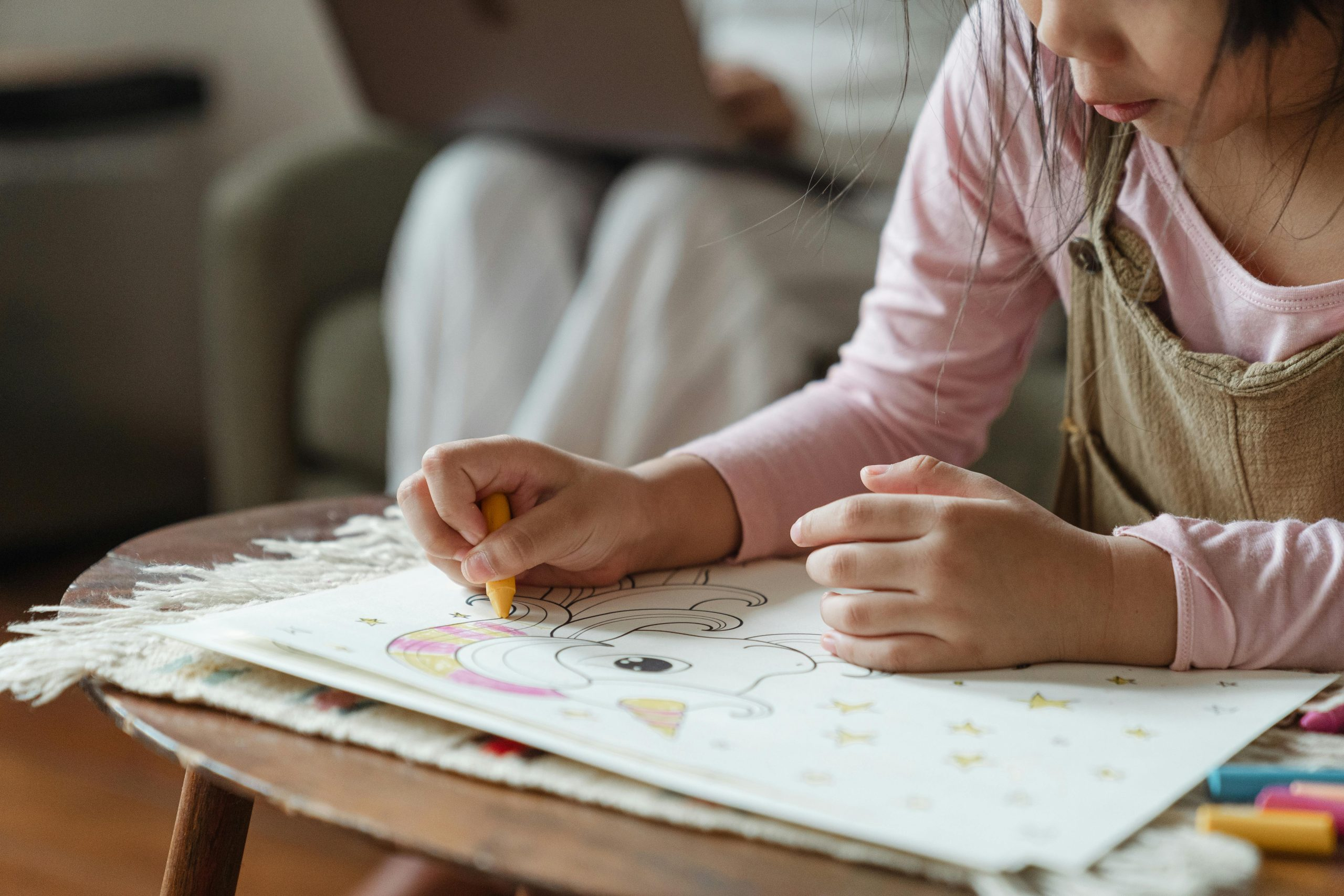
The Benefits of Arts Integration in Primary Education
Enhances Creativity and Imagination
Arts integration refers to the practice of incorporating artistic activities into academic subjects. This could include using music to teach math concepts or incorporating painting into a history lesson. By incorporating the arts into a student’s learning experience, it allows them to tap into their creative side and think beyond the traditional methods of learning. This helps develop their imagination and allows them to explore different ways of problem-solving, which can be applied to other academic subjects and in real-life situations.
Improves Academic Performance
Integrating the arts into primary education has been shown to have a positive impact on academic performance. Studies have found that students who are exposed to the arts on a regular basis tend to have higher test scores, better attendance, and improved critical thinking skills. This could be due to the fact that arts engage students in a different way, making learning more enjoyable and effective. Furthermore, by incorporating different modes of learning, such as visual, auditory, and kinesthetic, students are more likely to retain information and apply it in different contexts.
Fosters Collaboration and Communication
The arts often involve working in groups and collaborating with others to create something. This allows students to develop important social skills such as communication, cooperation, and respect for others. In today’s society, being able to effectively work in a team is a valuable skill in any career. By integrating the arts into primary education, students are given opportunities to practice these skills, which will serve them well in the future.
The Importance of Arts Integration for Well-Rounded Education
Arts integration is not just about creating better test scores or developing specific skills. It is about providing a well-rounded education that addresses the emotional, social, and intellectual development of our children. The arts can help students express their emotions and connect with their inner selves, as well as develop empathy and understanding for others. In a world where mental health issues and bullying are prevalent, teaching our children how to express and manage their emotions through the arts is crucial.
Implementing Arts Integration into Primary Education
Teacher Training and Support
In order for arts integration to be successful, teachers need to be trained in how to incorporate the arts into their lessons effectively. Professional development opportunities should be provided, and ongoing support should be offered to ensure that teachers feel confident and comfortable incorporating the arts into their curriculum. This will also help teachers to identify the best ways to integrate the arts into their specific subject areas.
Collaboration with Local Artists and Arts Organizations
Bringing in local artists and partnering with arts organizations can enhance the arts integration experience. It provides students with the opportunity to work with professionals in the industry and get a real-world perspective on the arts. This also helps to bring the community into the classroom, creating authentic and meaningful learning experiences for students.
Providing Proper Resources and Materials
In order for arts integration to be successful, it is important to provide teachers with the necessary resources and materials. This could include musical instruments, art supplies, and technology. Schools should also invest in creating dedicated spaces for the arts, such as a music room or an art studio, to allow for a more immersive and authentic experience.
Conclusion
The value of arts integration in primary education cannot be understated. Not only does it enhance academic performance, but it also fosters creativity, social skills, and emotional well-being. By implementing arts integration into our education system and providing proper support and resources, we are not only preparing our children for success in the future but also helping them to become well-rounded individuals who can positively contribute to society.
So the next time you hear of someone questioning the importance of the arts in our education system, remind them of the numerous benefits that arts integration provides. Let’s work together to ensure that the arts remain an integral part of our children’s learning and development.