Analyzing the Impact of Virtual Reality on Fashion Education
The fashion industry has always been at the forefront of innovation and technology, constantly searching for new and exciting ways to push the boundaries. And in recent years, the rise of virtual reality has been making waves in the fashion world. Once primarily used in the gaming and entertainment industries, virtual reality has now found its place in fashion education, revolutionizing the way students learn and experience the art of fashion. In this article, we will delve into the impact of virtual reality on fashion education, exploring its benefits and potential implications for the future.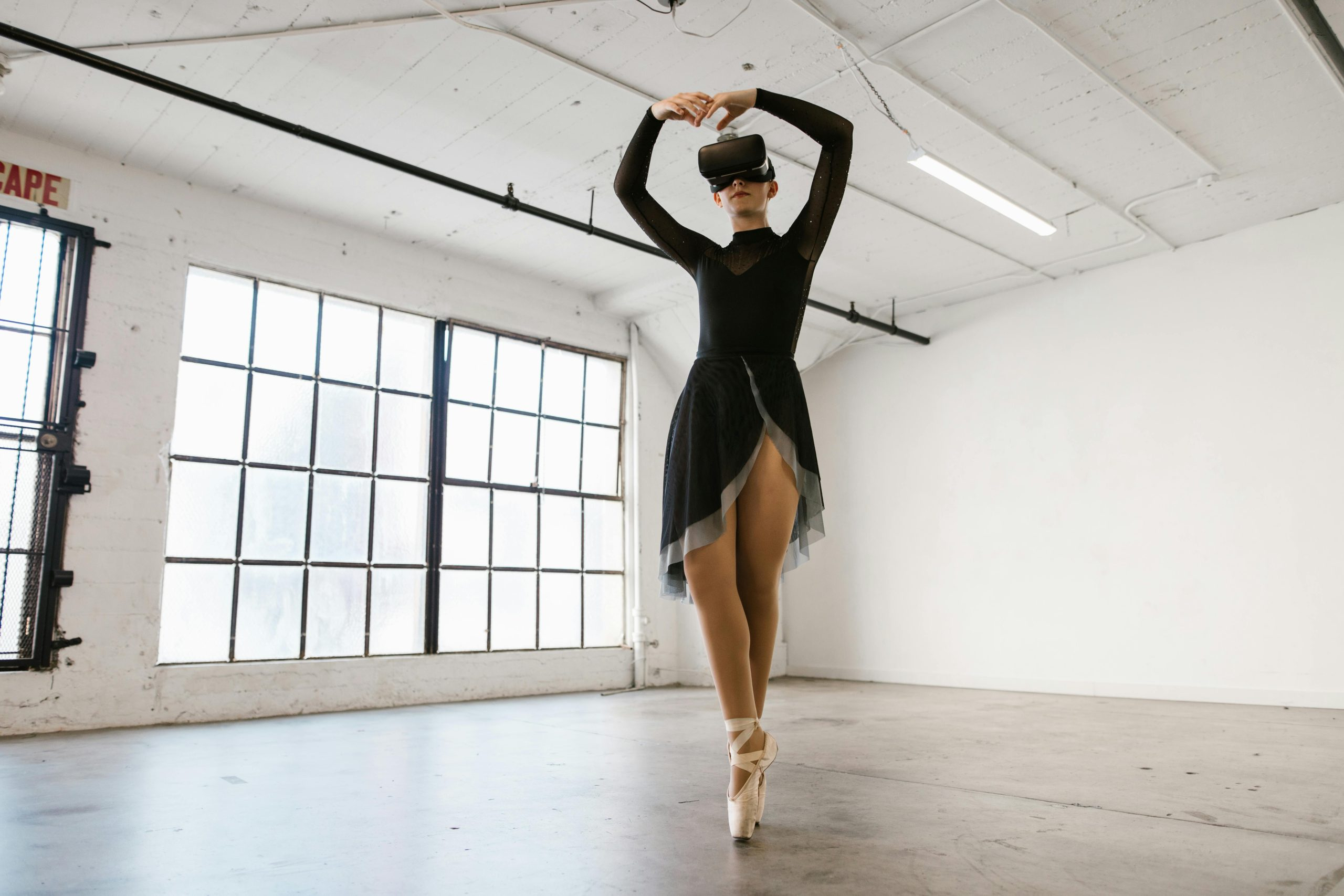
Bringing Fashion Education to Life
In traditional fashion education, students learn through textbooks, lectures, and hands-on projects. While these methods have been effective, they can be limiting in terms of the scope and depth of learning. Virtual reality, on the other hand, offers a whole new level of immersion and engagement, allowing students to experience fashion in a more realistic and interactive manner.
Virtual Fashion Shows
Gone are the days of flipping through glossy magazines to see the latest runway collections. With virtual reality, students can now attend fashion shows from the comfort of their own homes. Through 360-degree videos and virtual reality headsets, students can get a front-row seat to fashion shows around the world, giving them a better understanding of the industry and its trends. This also opens up opportunities for students to virtually experience shows that they may not have access to in real life, such as high-end couture shows or exclusive fashion weeks.
Virtual Designing and Prototyping
Another way virtual reality is changing the game in fashion education is through virtual designing and prototyping. Design students can now use virtual reality to create digital garments, eliminating the need for physical materials and reducing the time and cost associated with prototyping. This allows students to experiment and test out different designs and techniques without the limitations of traditional methods. It also gives them a better understanding of how their designs will look and feel in the real world, leading to more realistic and innovative creations.
Virtual Store and Market Research
For those studying fashion merchandising and marketing, virtual reality offers a new way to conduct store and market research. Students can create virtual stores and test out visual merchandising techniques, pricing strategies, and even store layouts without the need for physical locations. They can also use virtual reality to gather feedback from potential customers, allowing for more accurate and efficient market research. This not only saves time and resources but also prepares students for the evolving retail landscape where online and virtual shopping experiences are becoming increasingly prevalent.
The Implications of Virtual Reality on Fashion Education
With the many benefits and opportunities that virtual reality brings to fashion education, it’s natural to wonder about its implications for the future. While it’s still in its early stages, virtual reality has the potential to significantly transform fashion education and the industry as a whole.
Improved Accessibility
One of the biggest advantages of virtual reality in fashion education is its ability to make education more accessible. With the rising costs of tuition and travel, virtual reality offers a more affordable and convenient alternative for students to gain a fashion education. This is particularly beneficial for those in developing countries or in areas where fashion education is limited. Virtual reality also allows for collaboration and learning opportunities with students from around the world, breaking down geographical barriers and creating a more diverse learning environment.
Preparedness for the Digital Future
As the fashion industry becomes increasingly digital, it’s crucial for fashion education to keep up with the evolving landscape. Virtual reality not only prepares students for a future where technology will play a significant role, but it also provides valuable skills that will be in high demand in the industry. From 3D modeling and design to virtual retail and marketing, students who are well-versed in virtual reality will have a competitive edge in the job market.
Challenges and Limitations
While virtual reality has immense potential in fashion education, there are also challenges and limitations that need to be addressed. The technology is still relatively new and constantly evolving, which means there may be a learning curve for students and educators. There is also a concern that virtual reality could replace traditional methods of education, leading to a lack of hands-on experience and skills. Furthermore, the cost of virtual reality technology may be a barrier for some students and institutions, limiting its accessibility. However, these challenges can be overcome with proper training, integration of virtual reality in curriculum, and affordable options becoming more available.
In Conclusion
The impact of virtual reality on fashion education is undeniable. It offers a new and exciting way for students to learn and experience the world of fashion, while also preparing them for the digital future of the industry. As technology continues to advance and virtual reality becomes more accessible, we can expect to see even greater integration and innovation in fashion education. Virtual reality is truly changing the game, and the future of fashion education looks brighter than ever.