Analyzing the Influence of Historical Royalty on Current Trends
When one thinks of royalty, images of elegant ballrooms, luxurious jewels, and grand castles often come to mind. However, the influence of historical royalty is not limited to just material wealth and extravagant lifestyles. In fact, the impact of past monarchs and rulers can still be seen and felt in modern-day society. From fashion to architecture, from language to political systems, the legacy of historical royalty continues to shape and influence current trends in various aspects of our lives. In this article, we will delve into the fascinating topic of analyzing the influence of historical royalty on current trends.
Fashion and Style
Royalty has always been closely associated with fashion and style. They were often seen as the epitome of elegance, and their clothing choices were closely followed and emulated by the general public. From the extravagant gowns of Queen Marie Antoinette to the timeless suits of King Edward VIII, the fashion of royalty has always been a source of inspiration for designers and fashion enthusiasts.
In modern times, the influence of historical royalty on fashion can be seen in the popularity of certain styles and trends. For instance, the resurgence of corset-style dresses, ruffled collars, and elaborate sleeves can be traced back to the fashion of the 18th and 19th centuries, when royalty favored these styles. Even the use of specific colors can be attributed to past monarchs. The iconic shade of royal blue, for example, is often associated with royalty and has become a popular color in fashion and interior design.
Art and Architecture
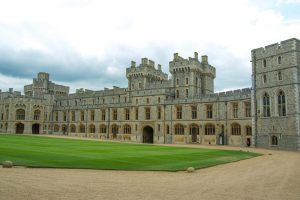
The grandeur and opulence of royal palaces and castles have always been a source of fascination for artists and architects. The intricate designs and impeccable detailing of these structures have inspired countless works of art and have played a significant role in shaping architectural trends throughout history.
Even today, the influence of historical royalty can be seen in modern architecture and interior design. Many modern buildings feature elements inspired by classic royal structures, such as grand columns, elaborate facades, and intricate carvings. Additionally, the use of luxurious materials such as marble and gold is also a nod to the lavish tastes of past rulers.
Language and Literature
The English language is known to have been greatly influenced by the history and culture of the United Kingdom, which was once ruled by various monarchs. Many common phrases and words used in everyday language have royal origins, such as “kingdom”, “throne”, and “royalty”. Furthermore, literary works of monarchs and their courtiers have also had a significant impact on the development of literature.
Even in contemporary times, the influence of historical royalty on language can still be seen. The use of formal and elevated language, often associated with royalty, is still prevalent in literature, speeches, and even social media posts.
Political Systems
The impact of historical royalty is not limited to fashion and culture. It has also played a crucial role in shaping political systems around the world. Monarchies, both constitutional and absolute, still exist in numerous countries and their rules and traditions continue to be followed.
The influence of historical royalty on modern politics is evident in the constitutional and ceremonial roles played by monarchs in many countries. They serve as a symbol of national identity and unity, and their presence adds a sense of tradition and stability to the political landscape.
In Conclusion
The influence of historical royalty on current trends goes beyond the realms of fashion and culture. Their legacy is deeply ingrained in various aspects of our daily lives, from language and literature to architecture and politics. As we continue to admire and be inspired by the lives and reigns of past monarchs, their impact will continue to shape and influence the trends of the present and future.