Analyzing the Influence of Political Movements on Clothing Choices
Clothing has always been a form of self-expression, and throughout history, it has been influenced by various social, cultural, and political movements. From the suffragette’s white dresses to the Black Power movement’s iconic black berets, fashion has been used as a tool for political expression. In recent years, with the rise of social media and the amplification of voices, the impact of political movements on clothing choices has become even more apparent. In this article, we will delve into the fascinating world of how political movements have influenced and continue to shape the way we dress.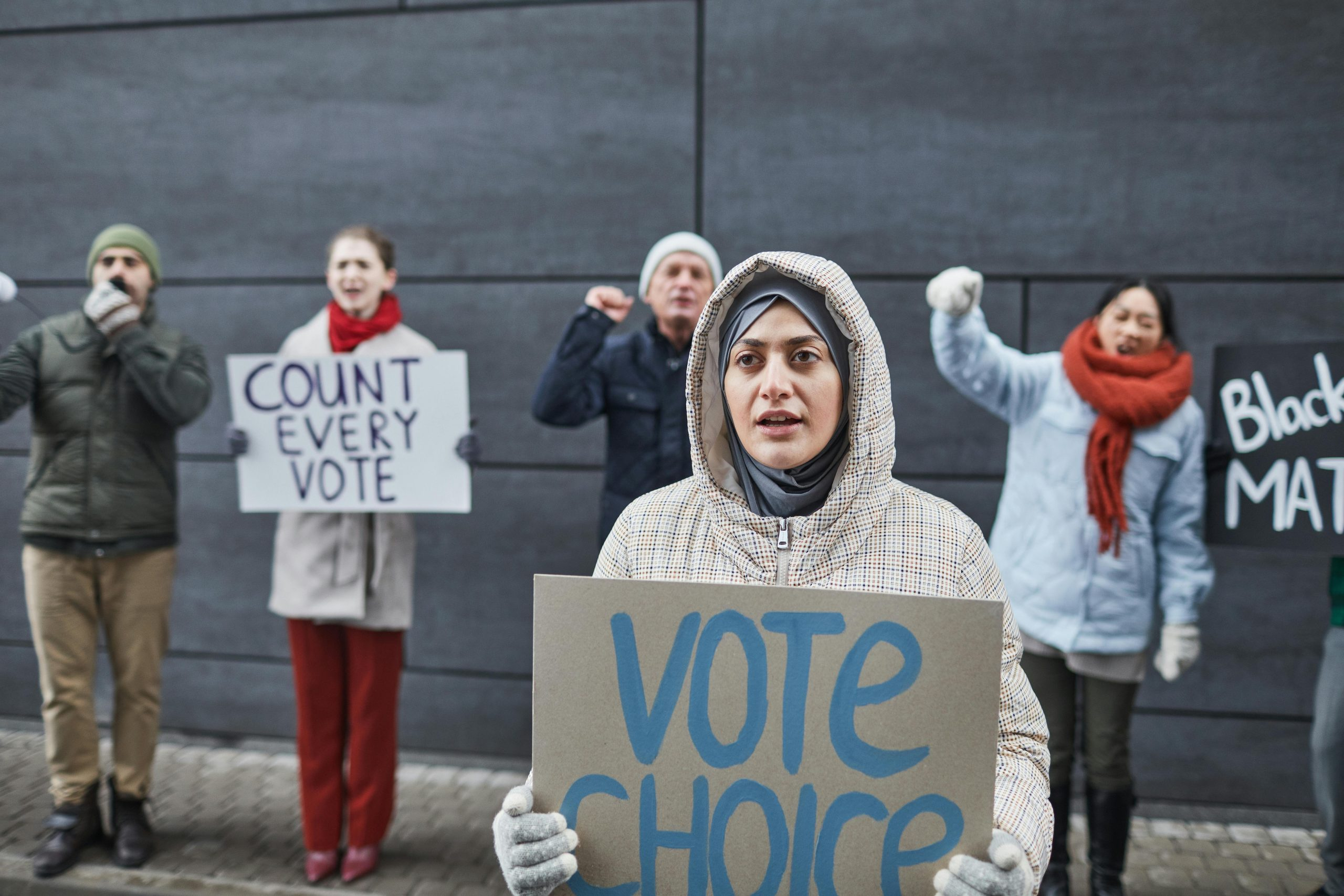
The Relationship between Politics and Fashion
Before we delve into the specifics of how political movements have influenced fashion, it is essential to understand the relationship between the two. Fashion has always been a reflection of society, and politics is an integral part of society. Therefore, political movements and ideologies often find their way into fashion, whether consciously or subconsciously.
Moreover, fashion is also a form of rebellion. It allows individuals to challenge societal norms and express their beliefs, which makes it an ideal platform for political expression. This relationship between fashion and politics is not a new phenomenon; it has been prevalent since the early days of fashion.
The 1960s: A Decade of Political Fashion
The 1960s were a tumultuous time, with several social and political movements emerging worldwide. The Civil Rights movement, the Vietnam War protests, and the rise of feminism were some of the most influential political movements during this decade. As a result, fashion also experienced a significant shift.
Civil Rights Movement
The Civil Rights movement inspired a sense of pride among African Americans, leading many to abandon the conservative dress codes imposed by white society. They began embracing African-inspired fashion, such as colorful dashikis and head wraps, as a way to celebrate their heritage and show solidarity with the movement.
Vietnam War Protests
The anti-war sentiments of the Vietnam War protests led to a rise in the popularity of the hippie movement and its fashion. The movement advocated for peace, love, and freedom, and its fashion reflected these values. Clothing became more relaxed, with flowy, bohemian styles, and the iconic peace symbol became a popular fashion accessory.
Rise of Feminism
The feminist movement challenged societal gender norms and paved the way for more gender-neutral fashion. Women began opting for more androgynous styles, inspired by men’s fashion, as a way to reject traditional feminine clothing that restricted their movements. The iconic image of feminist activist Gloria Steinem wearing a pantsuit and aviator glasses became synonymous with the movement.
Modern-Day Political Fashion
Fashion’s political influence did not end in the 1960s. In recent years, with the rise of social media and increased social awareness, political movements’ impact on fashion has become more significant than ever. The most notable example of this is the Black Lives Matter movement, which gained widespread attention in 2020 after the tragic death of George Floyd.
Black Lives Matter Movement
The Black Lives Matter movement has sparked discussions about racial injustice and systemic racism worldwide. In the fashion industry, it has brought attention to the lack of diversity and representation, leading to calls for change. Many fashion brands and designers have publicly pledged their support for the movement and incorporated it into their collections, such as Christian Dior’s “Black Lives Matter” t-shirt.
Furthermore, the movement has also influenced daily fashion choices, with many people opting to wear clothing with slogans and symbols associated with the movement, such as “Black Lives Matter” t-shirts and Black Power-inspired attire.
The Effect of Political Fashion
Political fashion not only serves as a form of expression but also has the power to create meaningful change. Fashion brands have a significant influence on society, and when they use their platform to promote a political movement, it can bring attention to important issues and start meaningful conversations.
Moreover, political fashion can also serve as a unifying force. In times of political turmoil, a shared fashion statement can bring people together, creating a sense of solidarity and community. It allows individuals to show their support for a cause without saying a word.
The Controversy Surrounding Political Fashion
While political fashion has its merits, it also has its fair share of controversy. Some argue that using fashion to promote political movements is performative and insincere. They believe that fashion brands and celebrities often jump on the bandwagon for the sake of profit and do not genuinely care about the cause.
Moreover, there have been instances where a fashion statement meant to support a particular movement has sparked backlash and criticism. For example, the infamous “I really don’t care, do u?” jacket worn by former First Lady Melania Trump while visiting immigrant children at the US-Mexico border was seen as a callous and insensitive statement towards the refugee crisis.
In Conclusion
In a world where every aspect of our lives is interconnected, fashion and politics are inherently intertwined. The influence of political movements on clothing choices is an ongoing phenomenon that will continue to shape the fashion industry. Though it may sometimes spark controversy, fashion’s power to spark conversations and create meaningful change makes it an invaluable tool for political expression.
So, the next time you are getting dressed in the morning, remember that your clothing choices can speak volumes about your beliefs and the political movements you support.