Exploring the Ethics of Animal Welfare in Fur and Wool Production
Fur and wool have been used in many forms of fashion for centuries, with luxurious coats, hats, and sweaters being sought after items for those looking to stay warm and fashionable. However, as times have changed and our societal consciousness has evolved, the ethics of using animal products in fashion have come under scrutiny. In particular, the treatment of animals in the fur and wool production industry has been a topic of heated debate and controversy. In this article, we will explore the ethics of animal welfare in fur and wool production and how it impacts both the animals and our environment. 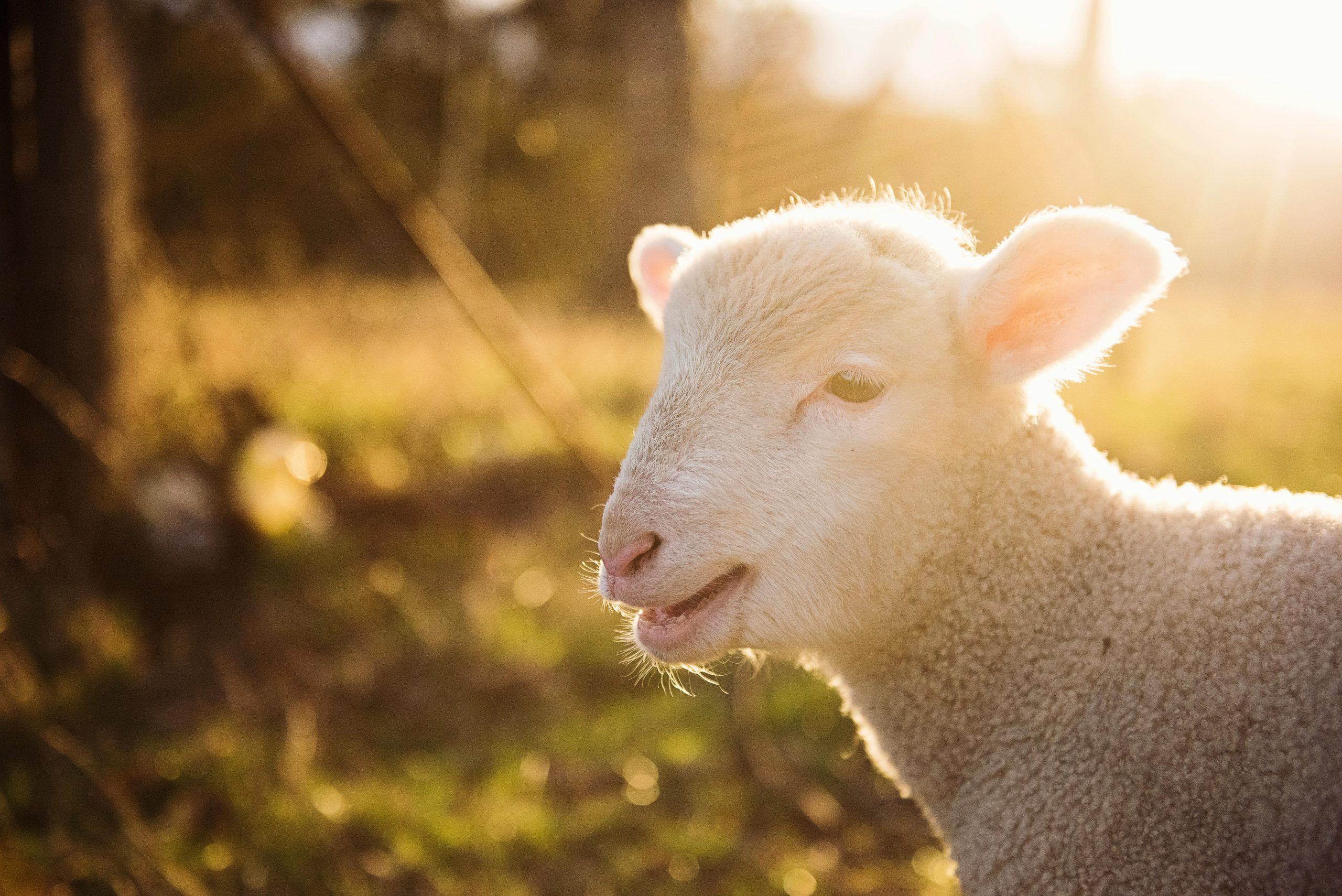
The History of Fur and Wool Production
The use of fur and wool can be traced back to ancient civilizations, where it was seen as a symbol of wealth and power. As early as the Stone Age, humans began using animal hides and fur for clothing and insulation. However, as societies became more advanced, the demand for fur and wool grew, leading to the mass production of these materials. Today, fur and wool are produced on an industrial scale, with millions of animals being raised and killed each year for their fur and wool.
The Reality of Animal Welfare in Fur and Wool Production
While the use of fur and wool may seem glamorous on the surface, the reality of animal welfare in this industry is far from it. In fur production, animals such as rabbits, foxes, and minks are typically raised in cramped, dirty cages where they are unable to exhibit natural behaviors. These animals are often subject to cruel and painful methods of killing, such as electrocution or suffocation, in order to preserve the quality of their fur.
Similarly, in wool production, sheep are often treated as mere commodities, with little regard for their well-being. The process of shearing can be a traumatic experience for the sheep, as they are roughly handled and often suffer cuts and injuries. The use of mulesing, a controversial practice in which strips of skin are removed from the sheep’s buttocks to prevent flystrike, has also been met with widespread criticism.
The Impact on the Environment
Beyond the ethical concerns of animal welfare, the production of fur and wool also has a significant impact on the environment. The industrial farming of animals for their fur and wool contributes to greenhouse gas emissions, as well as air and water pollution. In addition, the use of harmful chemicals in the processing of fur and wool can have a detrimental effect on surrounding ecosystems.
The Move Towards Ethical Alternatives
Thankfully, as society becomes more aware of the ethical issues surrounding fur and wool production, there has been a growing movement towards ethical alternatives. Many fashion brands have committed to using only faux fur and wool, and some have even pledged to go completely fur-free. In addition, there has been a rise in innovative natural and sustainable materials, such as bamboo and cork, that can be used as alternatives to traditional animal fibers.
The Importance of Educating Consumers
While the responsibility ultimately lies with fashion companies to make ethical choices in their production processes, consumers also play a crucial role. By educating ourselves on the realities of fur and wool production and choosing to support brands that prioritize animal welfare and sustainability, we can actively contribute to a more ethical fashion industry.
In Conclusion
The ethics of animal welfare in fur and wool production is a complex and controversial issue, with valid arguments from both sides. However, it is clear that the current practices in this industry are far from ethical and have a significant impact on both the animals and our environment. As consumers, it is important for us to make informed choices and support ethical alternatives, in order to create a more compassionate and sustainable fashion industry for the future.