Exploring the Revival of Handcrafted Techniques in Modern Design
The world has seen a rapid technological advancement in recent years. Everywhere you turn, it seems that modern technology is taking over, making everything fast and efficient. However, in recent years, there has been a growing movement towards reviving handcrafted techniques in modern design. This trend aims to bring back the beauty and authenticity of traditional handcrafted items, while also promoting sustainability and supporting local artisans. In this article, we will explore the revival of handcrafted techniques in modern design and how it is making a comeback in today’s fast-paced world.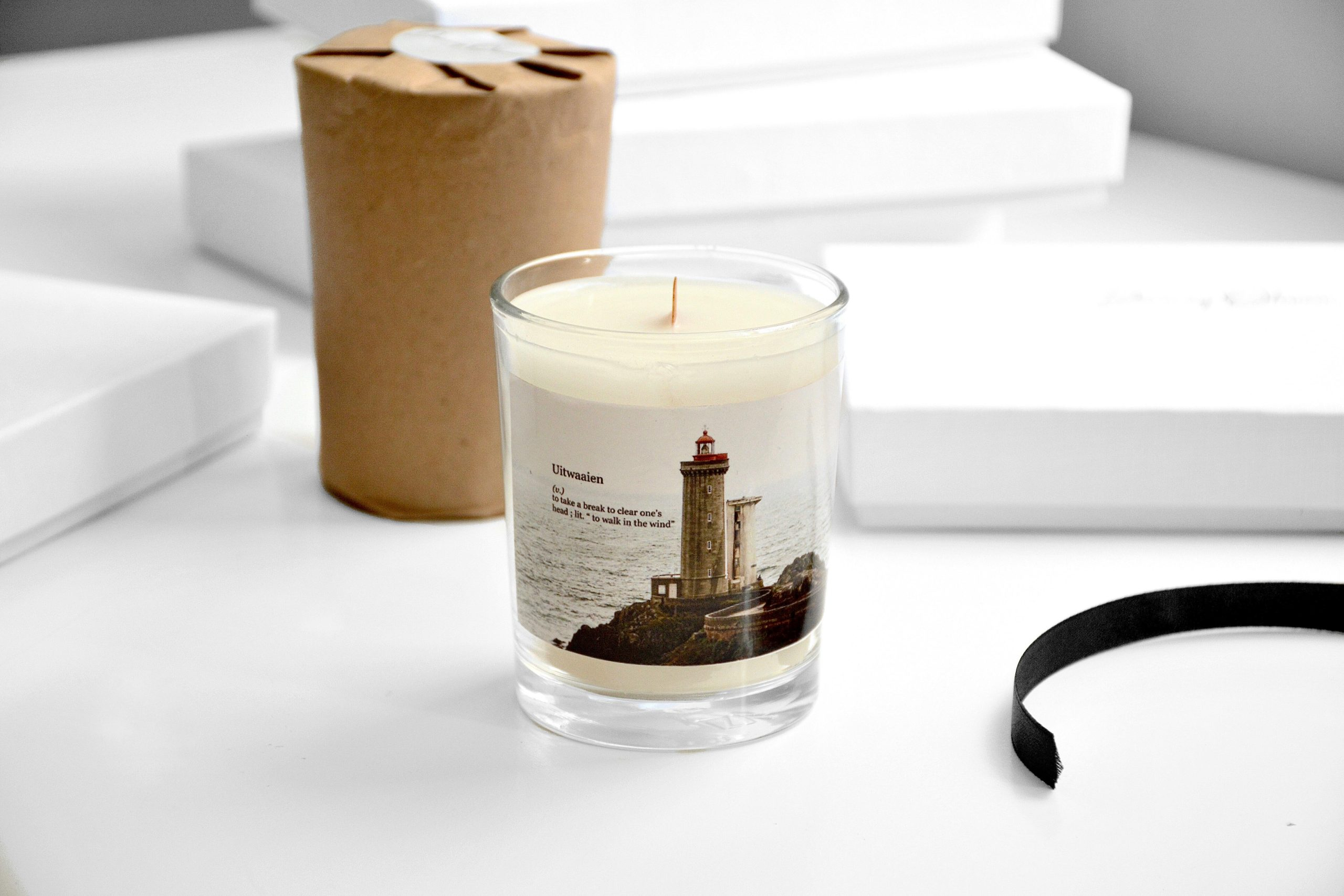
The Rise of Modern Design
Modern design, also known as contemporary design, is a term used to describe current design trends and styles. It is characterized by clean lines, minimalism, and functionality. Modern design values efficiency and simplicity, making use of materials and technology to create seamless and sleek designs. In recent years, modern design has dominated the market, with its popularity in various industries such as fashion, furniture, and architecture. However, with the rise of fast fashion and mass-produced products, the true essence and quality of modern design have been lost.
The Value of Handcrafted Techniques
Handcrafted techniques have been around for centuries, passed down from generation to generation. These techniques involve creating products by hand, using traditional tools and methods. Each item is unique and holds a story and connection to its maker. Handcrafted products are known for their high quality, attention to detail, and durability. These techniques not only produce beautiful and authentic products, but they also support small businesses and local artisans.
The Decline of Handcrafted Techniques
With the rise of modern technology and mass production, handcrafted techniques have taken a backseat. It is easier and cheaper to produce products in bulk using machines, rather than by hand. This has caused a decline in the demand for handcrafted products, leading to the loss of these traditional techniques. Many artisans have been forced to abandon their craft and seek other forms of income, resulting in the slow disappearance of cultural heritage and skills.
The Revival of Handcrafted Techniques in Modern Design
Fortunately, there has been a revival of handcrafted techniques in modern design. As people become more aware of the impact of mass production on the environment and the economy, there has been a shift towards sustainable and ethical practices. Handcrafted techniques offer a more sustainable and ethical alternative to mass production. They promote the use of eco-friendly materials and support fair trade, ensuring that artisans are paid fairly for their work.
In addition, consumers have also become more conscious of the quality and authenticity of products. They appreciate the story and craftsmanship behind each handcrafted item, making it more valuable and unique. This has led to an increase in demand for handcrafted products, making it a viable and profitable business for artisans.
The Impact on Modern Design
The revival of handcrafted techniques has also had a significant impact on modern design. By incorporating handcrafted elements into modern design, designers are able to create more meaningful and personalized products. Handcrafted techniques add a human touch to modern design, bringing back emotions and soul into a world dominated by cold and sterile machines. This combination of modern and traditional techniques has resulted in a new design trend known as “modern craft,” which celebrates the marriage of the two styles.
The Future of Handcrafted Techniques in Modern Design
It is evident that the revival of handcrafted techniques in modern design is not just a passing trend. It has a deeper significance and impact on the way we view and consume products. As consumers become more conscious of their choices, the demand for handcrafted products is only expected to grow. This could lead to a resurgence of traditional techniques and the preservation of cultural heritage.
Furthermore, the combination of modern and handcrafted techniques opens up endless possibilities for designers. It allows for innovation and creativity, resulting in unique and timeless designs. Handcrafted techniques also offer a sense of exclusivity, making each product special and sought after.
Conclusion
The revival of handcrafted techniques in modern design is more than just a trend; it is a movement towards a more sustainable, ethical, and authentic way of consuming products. By supporting handcrafted techniques, we are also supporting small businesses, local economies, and preserving cultural heritage. It also offers a solution to the fast-paced world we live in, bringing back the value of human touch and emotion in our products. As modern design continues to evolve, it is clear that handcrafted techniques will play a significant role in shaping its future.