Exploring the World of Costume Design for Film and Theater
Costume design is an essential aspect of filmmaking and theater productions. It is the art of creating and selecting costumes to convey the characters’ personalities, enhance the storytelling, and immerse the audience in the world of the story. A well-designed costume can transport viewers to a different time, place, or even universe, making it a crucial element in the success of a film or play. In this article, we will explore the fascinating world of costume design for film and theater, and how it plays a significant role in bringing characters and stories to life.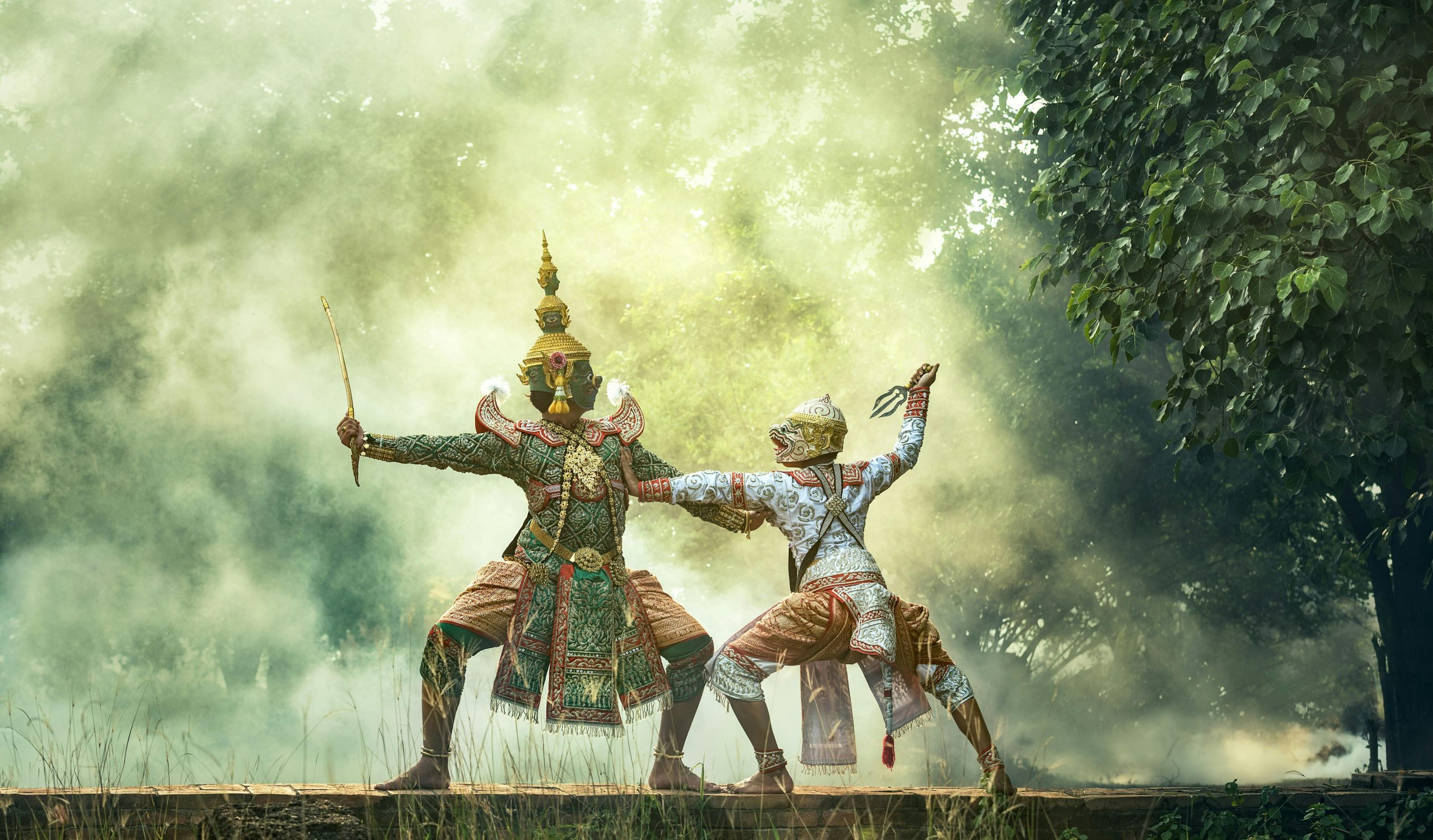
The Evolution of Costume Design
Costumes have been a part of human culture throughout history, serving both practical and artistic purposes. In ancient times, costumes were used to denote social status and convey cultural and religious meanings. As live performances began to gain popularity, costumes became an essential part of theater and eventually evolved into the art form we know today.
In the early days of cinema, costumes were not given much importance, and actors often wore their own clothes for a role. However, as the film industry grew and became more sophisticated, costume design became a crucial aspect of filmmaking. Designers began to work closely with directors and actors to create costumes that not only fit the characters but also helped tell the story.
The Role of a Costume Designer
A costume designer is responsible for creating the overall look and feel of the characters in a film or play. They work closely with the director, production team, and actors to understand the vision and requirements of the project. The designer then conducts extensive research to gather inspiration, develop ideas, and create sketches of the costume designs.
Once the designs are finalized, the costume designer works with a team of skilled artisans to bring them to life. They are responsible for sourcing or creating the costumes, including fabric selection, color choices, and accessories. Costume designers also have to consider the practical aspects of the costumes, such as functionality, comfort, and safety for the actors.
Creating Authenticity and Enhancing the Narrative
One of the main goals of costume design is to create authenticity in a production. The costumes should reflect the characters’ personalities, backgrounds, and the time or place in which the story is set. This adds depth and credibility to the story, making it more immersive for the audience.
Costumes also play a significant role in enhancing the narrative of a film or play. For example, in a historical drama, the costumes can be used to depict the social hierarchy of the time, or in a science fiction film, they can help establish the futuristic world. In this way, costumes become a visual language that aids in the storytelling process.
The Challenges of Costume Design
Costume design is not without its challenges. One common challenge is staying within budget constraints while still creating visually stunning and authentic costumes. Designers also face the challenge of working with difficult costume changes, especially in live theater, where quick changes are necessary to keep the story moving smoothly.
Certain genres, such as period pieces or fantasy films, also pose specific challenges, as the designer has to strike a balance between historical accuracy and creative interpretation. Additionally, working with actors who may have specific requests or preferences can also be a challenge, as the costume designer must find a way to blend the actor’s vision with their own.
The Impact of Costume Design on Pop Culture
Costumes have become iconic elements in popular culture, with some even becoming symbols of a particular film or character. For example, Marilyn Monroe’s white dress from “The Seven Year Itch” and Audrey Hepburn’s little black dress from “Breakfast at Tiffany’s” have become iconic pieces in fashion history.
Costume designers have also gained recognition and even become celebrities in their own right. The work of legendary costume designer Edith Head, known for her work on films like “Roman Holiday” and “Sabrina,” has left a lasting impact on the fashion and film industries. Contemporary designers like Colleen Atwood and Sandy Powell continue to push the boundaries of costume design and have become household names among film and theater enthusiasts.
In Conclusion
Costume design is a crucial element in creating a successful film or theater production. The costumes not only add visual interest and authenticity but also enhance the narrative and bring the characters to life. It is a collaborative art form that requires both creativity and attention to detail, and when done well, it can leave a lasting impression on viewers. So the next time you watch a film or attend a play, take a moment to appreciate the intricate and fascinating world of costume design.