The Connection Between Fashion and the Performing Arts
Fashion and the performing arts have always been closely intertwined, with both industries constantly drawing inspiration from each other. Both fashion and performing arts are forms of self-expression, and both industries have the power to capture our attention, transport us to different eras, and make us feel a range of emotions. In this article, we will explore the fascinating connection between fashion and the performing arts, and how they influence each other in ways that may surprise you.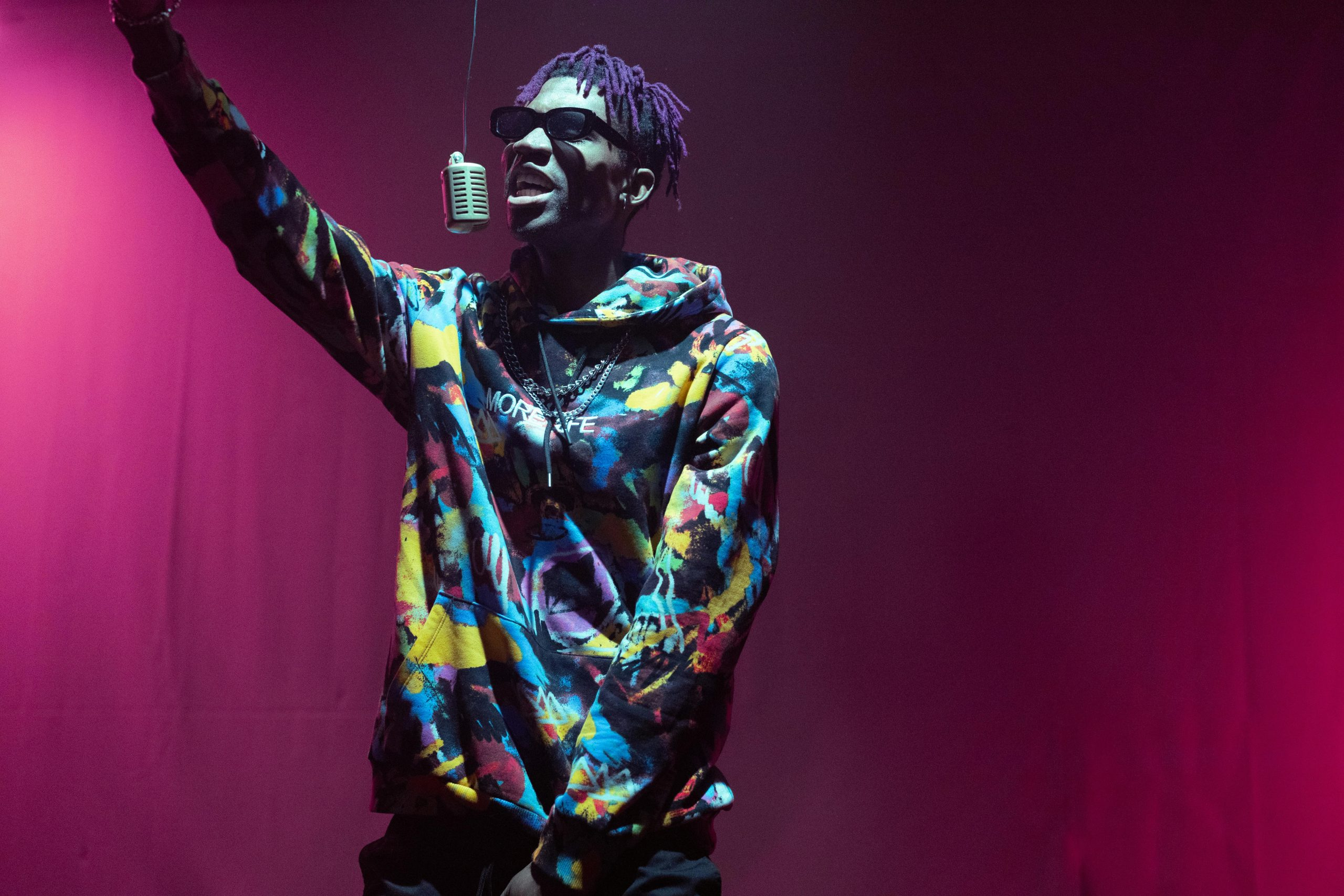
The Role of Costume Design in the Performing Arts
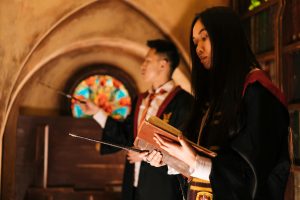
Costumes play a crucial role in the world of performing arts. From the elaborate costumes worn in Broadway musicals to the minimalist outfits of contemporary dance performances, costumes are an essential part of the storytelling process. They help create a sense of time and place, establish a character’s personality, and enhance the overall visual aesthetic of a performance.
Inspiration from High Fashion
Costume designers often turn to high fashion for inspiration when creating costumes for stage productions. Many iconic fashion designers, such as Alexander McQueen and Jean Paul Gaultier, have collaborated with theatre and opera companies to create stunning costumes that blur the lines between fashion and performance art.
One example is McQueen’s collaboration with the English National Ballet, where he designed the costumes for their production of “Romeo and Juliet.” His designs were not only visually striking but also managed to convey the complex emotions of the characters through fabric and silhouette. This is a perfect example of how fashion can elevate the visual impact and emotional depth of a performance.
Impact on Fashion Trends
The influence of the performing arts on fashion is not a one-way street. The unique and imaginative costumes seen on stage often make their way onto the runway and into mainstream fashion. This is especially evident in the world of haute couture, where designers push the boundaries of creativity and use unconventional materials, just like in a theatrical production. Fashion trends such as statement headpieces, voluminous ruffles, and bold color combinations can often be traced back to the stage.
The Art of Fashion Show Productions
Fashion shows are a performance in themselves, with designers using music, lighting, and choreography to create an immersive experience for their audience. Fashion designers are increasingly collaborating with directors, choreographers, and performers to bring their vision to life on the runway.
Collaboration with Choreographers
Choreographers play a significant role in fashion show productions, using movement and dance to showcase the clothes in new and dynamic ways. In recent years, we have seen a rise in fashion shows that incorporate dance elements, with designers like Christian Dior and Tommy Hilfiger commissioning choreographers to create eye-catching performances that highlight their collections.
Use of Technology
Advancements in technology have opened up a whole new world of possibilities for fashion show productions and performances. Fashion shows now feature elaborate digital projections, holographic effects, and 3D mapping, blurring the lines between reality and fantasy. These high-production fashion events are akin to theatrical performances, creating a sense of wonder and awe for the audience.
Influence on Personal Style
Not only do fashion and the performing arts influence each other, but they also have a profound impact on our personal style. The costumes worn in performances often serve as inspiration for everyday fashion choices, and fashion trends seen on the runway can influence the costumes created for stage productions.
Breaking Gender Stereotypes
Both fashion and performing arts have played a significant role in breaking down gender stereotypes and challenging traditional concepts of masculinity and femininity. The fashion industry, through its gender-fluid designs, has inspired a more inclusive approach to costume design in the performing arts, where characters are not confined to traditional gender norms.
Promoting Diversity and Inclusivity
The performing arts have also been at the forefront of promoting diversity and inclusivity, with fashion following suit. Many fashion designers are now using their platforms to showcase a diverse range of models, breaking away from unrealistic beauty standards. Similarly, theatre and dance companies are embracing diversity in casting, challenging societal norms and promoting inclusivity.
Conclusion
The connection between fashion and the performing arts is undeniable. Both industries feed off each other’s creativity and constantly push boundaries to create unforgettable experiences for their audiences. From costumes and fashion shows to personal style and promoting inclusivity, the influence of fashion and performing arts on each other is evident in various aspects of our lives. As both industries continue to evolve, one thing is certain – the connection between fashion and the performing arts will remain a vital source of inspiration and innovation.