The Future of Modeling: Diversity and Digital Representation
It’s no secret that the fashion industry has long been criticized for its lack of diversity and representation in modeling. For years, the industry has been dominated by a narrow and unrealistic standard of beauty, with little to no room for those who don’t fit into this limited mold. However, as we move into a more digitally-driven world, the future of modeling is taking a turn for the better as inclusivity and diversity become more important than ever before.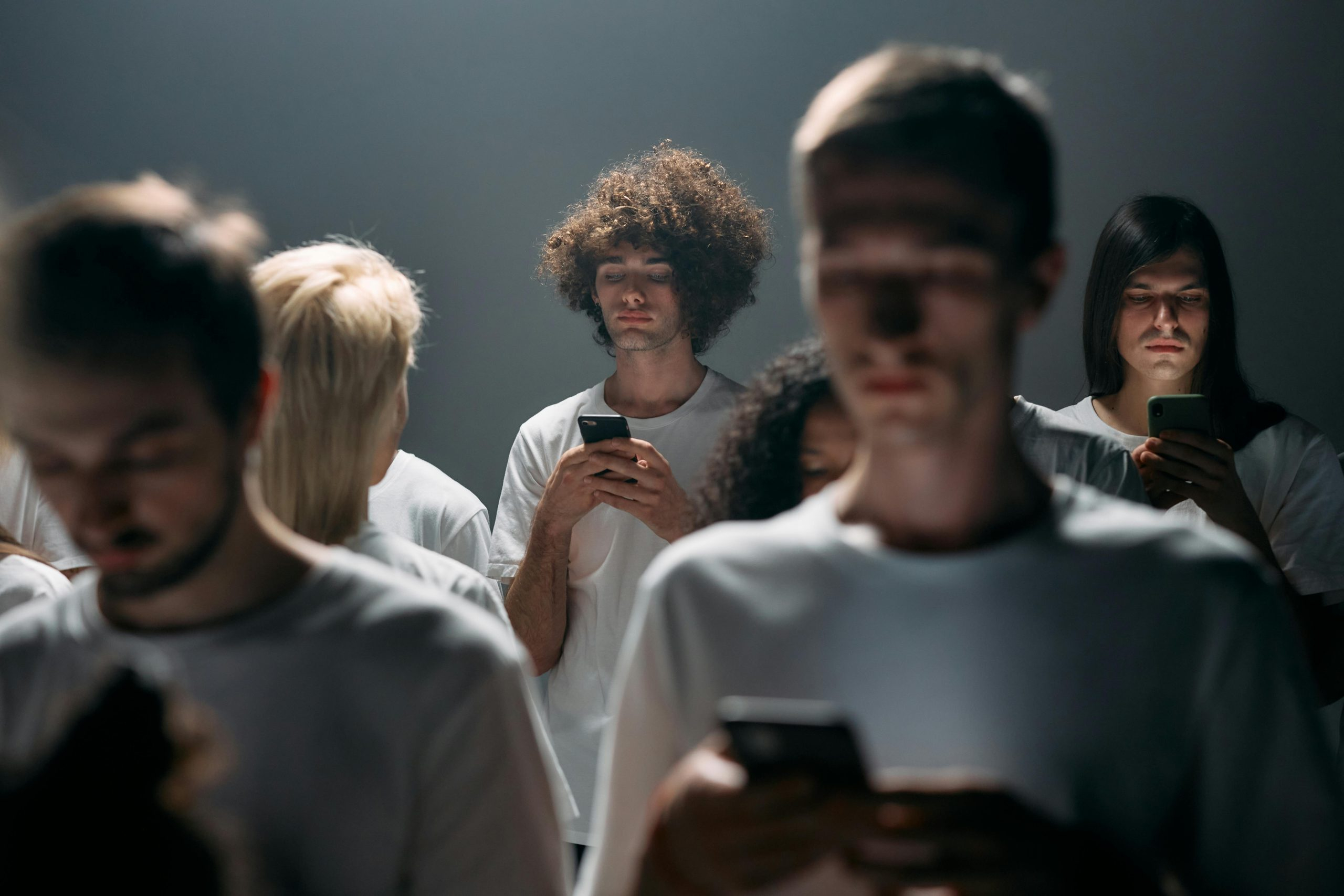
The Evolution of Modeling
The concept of modeling can be traced back to the late 19th century, where it was primarily used to showcase clothing and advertise products. However, over time, modeling has evolved into a multi-billion dollar industry and become a symbol of beauty and style. It has influenced the way we see ourselves and what is considered desirable, but unfortunately, it has also perpetuated damaging and unrealistic beauty standards.
In recent years, we’ve seen a greater push for diversity and inclusion in the fashion industry. Thanks to the rise of social media and technology, people now have a platform to speak up and demand more representation in all areas, including modeling. As a result, we’re starting to see a shift towards a more diverse and inclusive future of modeling.
The Importance of Diversity in Modeling
It’s no secret that the lack of diversity in modeling has had a negative impact on society as a whole. It has created a culture of exclusion and discrimination, with damaging effects on self-esteem and body image. By perpetuating a narrow standard of beauty, the fashion industry has also failed to accurately represent the diverse population of the world.
However, in recent years, there has been a significant push for more diversity and inclusivity in the industry. We’re seeing more campaigns featuring models of all body types, ages, and races, and the response has been overwhelmingly positive. Consumers are tired of seeing the same unrealistic and unattainable beauty standards and are embracing brands that promote diversity and representation.
Moreover, diversity in modeling is not just a social responsibility; it’s also a profitable business decision. With a growing demand for representation and inclusivity, brands are starting to realize that by catering to a wider range of audiences, they can reach a larger customer base and increase their profits.
The Rise of Digital Representation
As technology continues to advance, the modeling industry is also shifting towards a more digital landscape. With the rise of social media influencers and the ability to create “digital models,” the industry is no longer limited to traditional models. This has opened up new avenues for diverse and underrepresented individuals to enter the modeling world and gain recognition.
One notable example of the power of digital representation is the rise of virtual models, such as Shudu Gram and Miquela Sousa. These “computer-generated” models have become a phenomenon, with millions of followers on social media and lucrative partnerships with major brands. While there has been some controversy surrounding the use of these virtual models, there’s no denying that they represent a major shift in the future of modeling.
The Future of Modeling: Embracing Diversity and Technology
The combination of diversity and technology is shaping the future of modeling, and it’s a change that’s long overdue. By breaking away from traditional beauty standards and embracing a more diverse range of models, the industry is becoming more inclusive and reflective of society. Thanks to technology, we’re also seeing a greater range of models, including virtual ones, who are challenging traditional definitions of beauty and representation.
As consumers continue to demand more diversity and inclusivity in all areas of the fashion industry, it’s clear that the future of modeling is headed in a positive direction. Brands and agencies that are willing to embrace this change and embrace digital representation will not only thrive but also shape a more inclusive and diverse society for the better.
In Conclusion
The future of modeling is bright, with diversity and digital representation leading the way. While there’s still a long way to go in terms of full representation and inclusion, the progress that’s already been made is promising. As we move forward, it’s essential for brands and agencies to continue embracing diversity and technology, not just for the sake of profit but also for the betterment of society as a whole.