The Impact of Cultural Exchange on Global Textile Patterns
The textile industry is one of the oldest and most diverse industries in the world. Since ancient times, the production and trade of textiles has played a crucial role in shaping global economies and cultures. Textile patterns, in particular, are a reflection of a society’s history, tradition, and beliefs. As global trade and travel continue to expand, the exchange of cultural ideas and practices has greatly influenced the development of textile patterns worldwide. In this article, we will explore the impact of cultural exchange on global textile patterns and how it has shaped the industry into what it is today.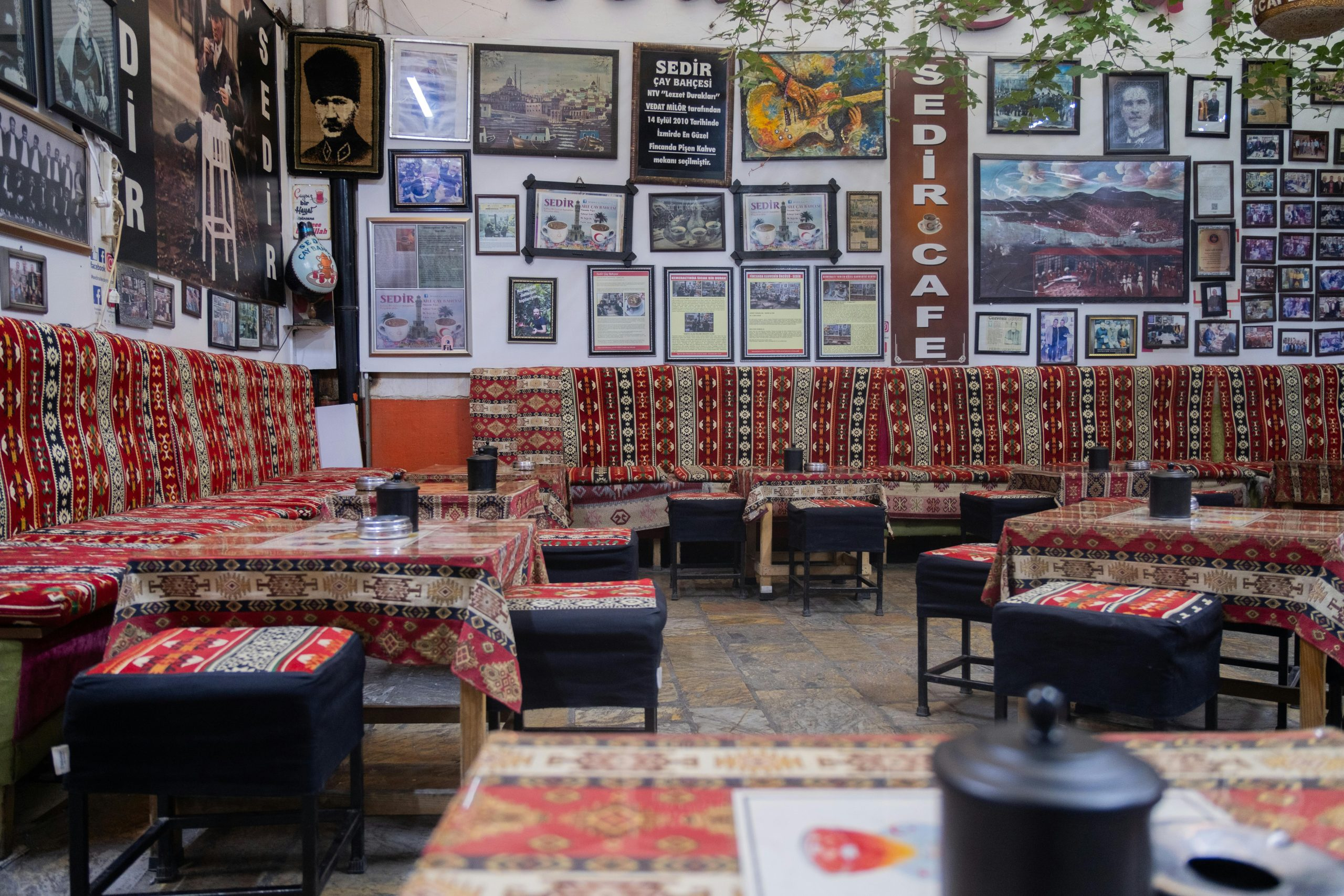
The Role of Cultural Exchange in the Evolution of Textile Patterns
Cultural exchange is the process of sharing and adopting customs, beliefs, and practices between different societies. This exchange has been happening for centuries, through trade, migration, and colonization. As different cultures interacted, they brought with them their unique textile traditions, leading to the birth of new techniques and styles. For example, the introduction of silk from China to Europe during the Silk Road era had a significant impact on European textile production. The use of silk yarn in weaving and embroidery techniques added complexity and richness to European textile patterns, which were previously dominated by simpler designs.
The Influence of Trade on Textile Patterns
Global trade has been a major driving force behind the dissemination of textile patterns across continents. As merchants traversed different regions, they brought back new fabrics and designs, which were then incorporated into local textile production. For instance, the introduction of cotton fabric from India to the Middle East in the 17th century gave rise to the vibrant and intricate patterns of Persian rugs. Through trade, this influence spread even further to Europe and the Americas, where the use of exotic textiles and patterns became a symbol of wealth and status.
The Impact of Migration and Colonization on Textile Patterns
Migrations have also played a significant role in the exchange and adaptation of textile patterns. As people moved from one place to another, they took their weaving techniques and designs with them, resulting in the fusion of different styles. This can be seen in the traditional textiles of South America, where the indigenous cultures incorporated European weaving methods and designs brought by colonizers. Similarly, the African textile industry has been greatly influenced by the migration and trade of Berber, Arab, and European communities, creating a diverse mix of vibrant patterns and techniques.
The Spread of Global Textile Patterns
In today’s interconnected world, the exchange and adoption of textile patterns have become even more prevalent. With the rise of globalization, traditional textile patterns and techniques are now shared and reproduced at a much faster rate. The internet has also played a crucial role in the spread of these patterns, with cultural and fashion influencers showcasing traditional textiles to a global audience. As a result, textile patterns are no longer limited to their place of origin, but instead, they have become a part of today’s global fashion industry.
The Preservation of Traditional Textile Patterns
While the global exchange of textile patterns has led to the development of new and innovative designs, it has also raised concerns about the preservation of traditional patterns. As traditional communities lose their market share to mass-produced textiles, their unique techniques and designs are at risk of being lost. To address this, several organizations and initiatives have been established to protect and promote traditional textiles. For example, the UNESCO Intangible Cultural Heritage List recognizes and preserves traditional textiles, such as the Japanese Washi paper-making technique and the Indonesian Batik fabric.
Conclusion
Cultural exchange has always been a significant factor in the evolution of global textile patterns. As different cultures interact and influence each other, the textile industry continues to innovate and adapt. Through trade, migration, and colonization, traditional patterns have spread to different corners of the world, creating a diverse and dynamic industry. However, with this exchange comes the responsibility to preserve and respect traditional cultures and their unique textile traditions. In the future, as the world becomes even more connected, the impact of cultural exchange on global textile patterns will continue to shape the industry, making it even more diverse and reflective of our diverse world.