Minimalist Living: How to Declutter Your Home and Mind
Welcome to the world of minimalist living, where less is truly more. In a society that constantly bombards us with the idea that we need more stuff to be happy, it’s refreshing to embrace a lifestyle that prioritizes simplicity and mindful consumption. Minimalist living is not just about decluttering your physical space, but also decluttering your mind. It’s about living intentionally, owning only the things that add value to your life, and letting go of the rest. In this article, we’ll explore the concept of minimalist living, its benefits, and practical tips on how to declutter your home and mind to achieve a more fulfilling and minimalist lifestyle.
The Concept of Minimalist Living
Minimalist living is a lifestyle that focuses on living with less. It’s a deliberate choice to simplify your life and prioritize what truly matters. The idea is to strip away unnecessary possessions and distractions, and instead, surround yourself with things that add value to your life and bring you joy. This doesn’t mean that you have to live in an empty house with only the bare essentials, but rather, it’s about finding the right balance and eliminating excess to reduce stress and improve overall well-being.
The Benefits of Minimalist Living
Embracing a minimalist lifestyle has numerous benefits, both for your physical and mental health. Let’s explore some of them below:
1. Less Clutter, More Space
One of the most obvious benefits of minimalist living is having a clutter-free and organized home. By getting rid of unnecessary possessions, you create more space and make your home feel more open and inviting. Plus, fewer things means less time spent cleaning and organizing, and more time for things that truly matter.
2. Reduced Stress and Anxiety
We live in a fast-paced world, and our constantly busy lives can lead to stress and anxiety. Minimalism promotes a slower, simpler lifestyle, which can be incredibly calming and therapeutic. By decluttering your physical space, you also declutter your mind, making room for more peace and relaxation.
3. Saves Time and Money
Owning fewer possessions not only means less money spent on buying things, but also less time spent on maintaining and organizing them. With minimalist living, you can focus more on experiences rather than material possessions, which can lead to a more fulfilling and less expensive life.
4. Improved Focus and Productivity
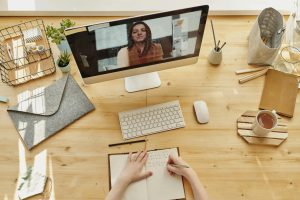
When your surroundings are cluttered, it can be challenging to focus and be productive. Minimalism helps to eliminate distractions and create a more organized and functional space, allowing you to concentrate on the tasks at hand. This can be particularly beneficial for those who work from home.
Practical Tips for Minimalist Living
Now that we’ve explored the concept and benefits of minimalist living, let’s dive into some practical tips on how to declutter your home and mind.
1. Start Small
Becoming a minimalist doesn’t happen overnight. It’s a gradual process, and it’s essential not to overwhelm yourself by trying to declutter everything at once. Start with a small area, like a closet or a drawer, and work your way up to larger spaces.
2. Declutter Your Home
Take a good, hard look at your belongings and ask yourself, “Do I really need this?” If the answer is no, then it’s time to let it go. Donate or sell items that are still in good condition and throw away things that are no longer usable.
3. Consider the “One In, One Out” Rule
For every new possession you bring into your home, consider getting rid of another item. This will help you maintain a clutter-free space and think twice before making unnecessary purchases.
4. Unplug and Disconnect
A cluttered mind often goes hand in hand with a cluttered space. Take time to unplug from technology, disconnect from the online world, and just be present in the moment. This will help clear your mind and reduce distractions.
5. Focus on Experiences
Minimalism isn’t just about decluttering your physical space, but also decluttering your mind. Focus on experiences rather than material possessions. Spend quality time with loved ones, pursue a hobby, or travel to new places. These experiences will bring more joy and fulfilment than any material possession ever could.
Minimalist living is a journey, and it may look different for everyone. The key is to find what works best for you and make small changes that lead to a simpler and more meaningful life. By decluttering your home and mind, you can create space for the things that bring true happiness and live a life with more intention and purpose.