The Future of Sustainable and Eco-Friendly Buildings
Sustainable and eco-friendly buildings have become increasingly popular in recent years as the world faces the growing threats of climate change and depletion of natural resources. These types of buildings are designed to minimize their impact on the environment through the use of energy-efficient materials and systems, renewable resources, and waste reduction measures. With the rising awareness and demand for sustainable living, the future of sustainable and eco-friendly buildings looks promising. In this article, we will explore the trends and advancements in sustainable construction and how they will shape the future of our built environment.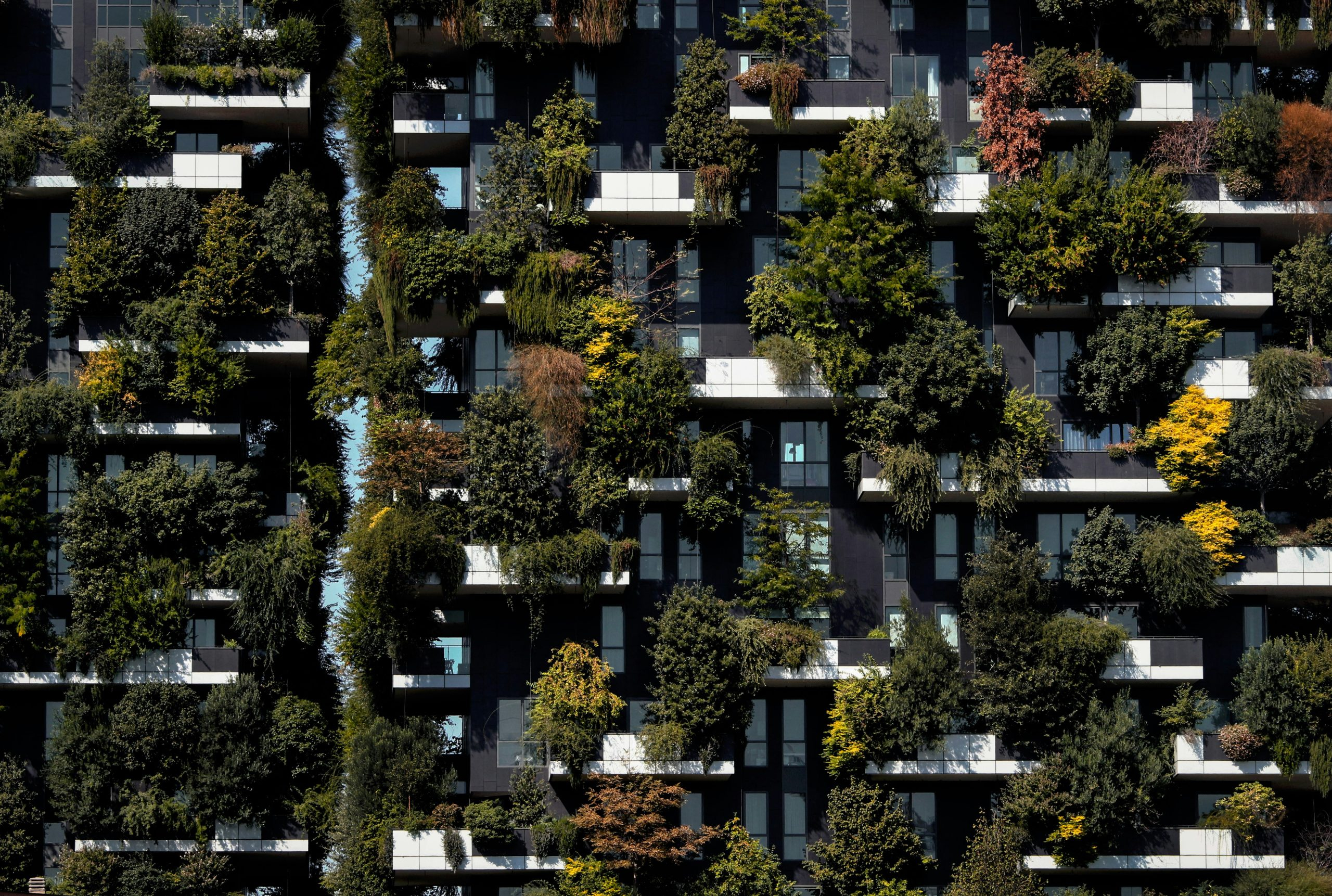
The Need for Sustainable and Eco-Friendly Buildings
The traditional way of constructing buildings has been a major contributor to global environmental issues such as carbon emissions, deforestation, and depletion of non-renewable resources. The construction sector alone is responsible for approximately 40% of energy consumption and 30% of greenhouse gas emissions worldwide. With the world’s population continuously growing, the demand for buildings is also increasing, putting more pressure on the environment. To address these issues, sustainable and eco-friendly buildings have emerged as a solution.
Energy-Efficient Materials and Systems
One of the key features of sustainable and eco-friendly buildings is the use of energy-efficient materials and systems. These include materials that have a low environmental impact, such as recycled or renewable materials, as well as systems that reduce energy consumption, such as solar panels, green roofs, and geothermal heating and cooling. These materials and systems not only reduce the building’s energy consumption but also have a positive impact on the environment by reducing carbon emissions and preserving natural resources.
Renewable Energy Sources
In addition to using energy-efficient materials and systems, sustainable and eco-friendly buildings also incorporate renewable energy sources to meet their energy needs. These sources include solar, wind, hydro, and geothermal energy. By harnessing these renewable resources, buildings can reduce their dependence on fossil fuels, which are a major contributor to climate change. In fact, some sustainable buildings are designed to produce more energy than they consume, making them carbon neutral or even carbon positive.
Waste Reduction and Recycling
Sustainable and eco-friendly buildings also have waste reduction and recycling measures in place. This includes using recyclable materials and implementing waste management systems to reduce the amount of waste produced during construction and throughout the building’s lifespan. These measures not only reduce the building’s environmental impact but also save resources and reduce costs in the long run.
The Future of Sustainable and Eco-Friendly Buildings
As the world continues to face the challenges of climate change and depletion of natural resources, the demand for sustainable and eco-friendly buildings will only continue to rise. In response to this, the construction industry is constantly innovating and developing new technologies and techniques to make buildings more sustainable. Here are some of the trends and advancements that will shape the future of sustainable and eco-friendly buildings.
Smart Building Technology
The integration of smart building technology is a growing trend in sustainable construction. This technology uses sensors, actuators, and other digital systems to control and optimize a building’s performance, resulting in energy and resource efficiency. Smart buildings can monitor and adjust temperature, lighting, and water usage, making them more sustainable and cost-effective in the long run.
Net-Zero Energy Buildings
With the advancement of renewable energy sources and energy-efficient technologies, the concept of net-zero energy buildings is gaining popularity. These buildings are designed to produce as much energy as they consume, resulting in a zero net energy consumption. Net-zero energy buildings combine sustainable design, energy-efficient systems, and renewable energy sources to achieve this goal.
Green Infrastructure
In addition to green roofs, sustainable buildings are incorporating more green infrastructure features such as green walls, rain gardens, and permeable pavement. These features not only reduce the building’s environmental impact but also provide a variety of benefits such as improving air quality, managing stormwater runoff, and creating habitat for wildlife.
Building Information Modeling (BIM)
Building Information Modeling, or BIM, is a digital tool that allows architects, engineers, and contractors to design and construct buildings in a more efficient and sustainable manner. BIM integrates data and information about a building’s design, materials, and systems, allowing for optimization and analysis of the building’s sustainability performance. BIM is expected to become a standard in the construction industry, leading to more sustainable and eco-friendly buildings in the future.
Conclusion
The future of sustainable and eco-friendly buildings looks bright with the constant development and implementation of new technologies and techniques in sustainable construction. These buildings not only benefit the environment but also offer economic and social benefits. As more people become aware of the importance of sustainable living, the demand for sustainable and eco-friendly buildings will continue to grow. By designing and building with sustainability in mind, we can create a more resilient and sustainable future for generations to come.