The Future of Retail: Integrating Technology into the Experience
In today’s increasingly digital world, it’s no surprise that the retail industry has also undergone significant transformations. The convenience and ease of online shopping have challenged traditional brick-and-mortar stores to evolve in order to stay relevant to the ever-changing consumer demands. As a result, technology has become a crucial aspect of the retail experience, blurring the lines between the physical and virtual shopping realms. In this article, we’ll delve into the future of retail and how the integration of technology is reshaping the entire shopping experience.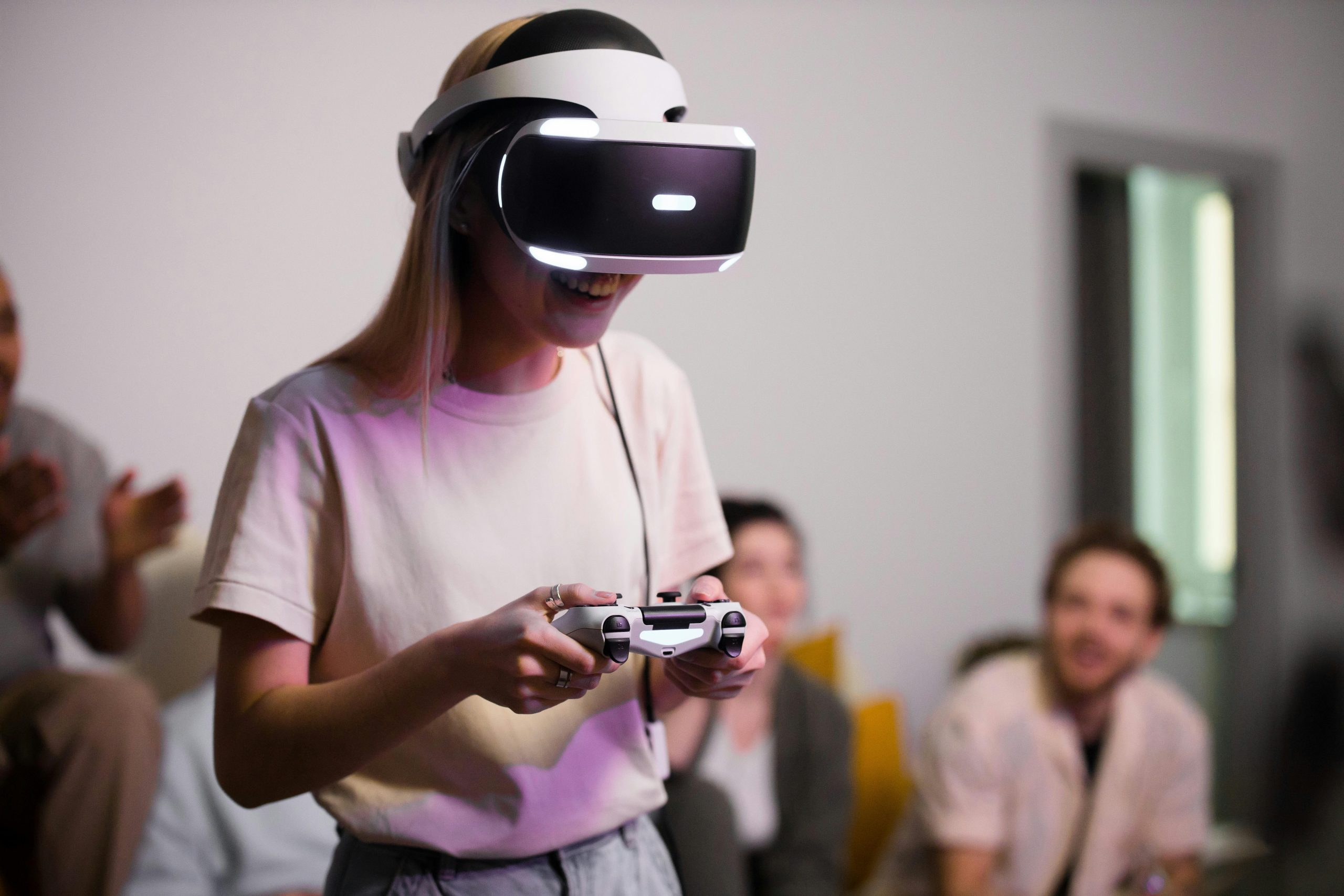
The Rise of Technology in Retail
The rapid advancement of technology has paved the way for new and exciting opportunities in the retail sector. With the rise of e-commerce, retailers have been forced to adapt and incorporate technology in order to remain competitive. Today, technology plays a crucial role in every aspect of retail, from supply chain management and inventory tracking to customer engagement and sales.
Enhanced Customer Experience
Gone are the days when shopping meant simply browsing through physical stores or flipping through catalogs. Thanks to innovation, retailers can now offer customers a more immersive and personalized shopping experience. Augmented Reality (AR) and Virtual Reality (VR) technologies allow shoppers to virtually try on clothes or visualize furniture in their homes before making a purchase.
Moreover, interactive displays and touchscreens in stores enable customers to access product information, reviews, and recommendations instantly. This not only enhances the shopping experience but also minimizes the need for sales associates, reducing potential delays and improving overall efficiency.
Seamless Omni-Channel Retailing
Technology has also enabled the seamless integration of physical and online shopping, allowing customers to transition seamlessly between channels. Retailers are investing in technology to offer a unified experience across various platforms, making it easier for customers to shop online, in-store, or through their mobile devices.
For instance, retailers can now offer features like click-and-collect, where customers can purchase items online and pick them up in-store, or buy online, return in-store. This not only provides customers with the convenience of choice but also reduces operating costs for retailers.
The Impact on Brick-and-Mortar Stores
The rise of e-commerce has been seen as a significant threat to traditional retail as more customers turn to online shopping. However, technology has helped turn brick-and-mortar stores from a liability to an advantage. Retailers are investing in technology to improve the in-store experience and provide customers with a reason to visit physical stores.
Smarter Inventory Management
With the help of sensors, RFID tags, and other tracking technologies, retailers can now monitor inventory levels in real-time. This has enabled them to optimize their inventory, reducing overstocking and out-of-stock situations, and improving supply chain efficiency. In addition, with the help of data analysis and predictive algorithms, retailers can better anticipate consumer demand, leading to better stock management and increased sales.
Improved Customer Engagement
Technology offers retailers valuable insights into consumer behavior and preferences, allowing them to tailor their marketing and promotional strategies accordingly. By leveraging data, retailers can personalize customer interactions and create more targeted marketing campaigns, increasing engagement and ultimately driving sales.
The Future of Retail: Technology-Driven Innovations
As technology continues to evolve, so does its impact on the retail industry. In the future, we can expect to see even more innovative uses of technology in retail, such as:
Robotics and Automation
The use of robots and automation in retail is expected to increase significantly in the coming years. Robots can be used for various tasks, such as picking and packing orders, restocking shelves, and even interacting with customers. This will not only improve efficiency and reduce costs for retailers, but also enhance the overall shopping experience for customers.
Artificial Intelligence (AI)
AI is already being used by retailers to analyze data, predict consumer behavior, and optimize pricing and inventory management. In the future, AI is expected to play an even bigger role, with the potential to completely transform the retail industry. For instance, through chatbots and virtual assistants, customers can receive personalized recommendations and assistance, making the shopping experience more convenient and efficient.
Internet of Things (IoT)
The IoT has enabled the connectivity and data sharing between physical devices, creating a network of “smart” devices. In retail, the IoT can be used to track and manage inventory, monitor in-store traffic, and even personalize lighting and temperature settings for a better shopping experience.
The Bottom Line
As we move forward, the integration of technology in retail will continue to be a game-changer. By leveraging technology, retailers can provide customers with a more seamless, personalized, and efficient shopping experience, while also improving their own operations and profitability. The future of retail is undoubtedly exciting, and we can’t wait to see what technology has in store for this ever-evolving industry.