The Psychology of Scarcity: Limited Stock and High Demand
The human mind is a complex machine that is constantly driven by various factors, both conscious and unconscious. One such factor is the concept of scarcity – the idea that something is limited or in short supply. This concept has a powerful effect on our thoughts, emotions, and behaviors. In the world of marketing and sales, this phenomenon is known as “The Psychology of Scarcity.” In this article, we will delve into the dynamics of limited stock and high demand, and how it impacts the human psyche. So, buckle up and let’s explore the fascinating realm of scarcity psychology!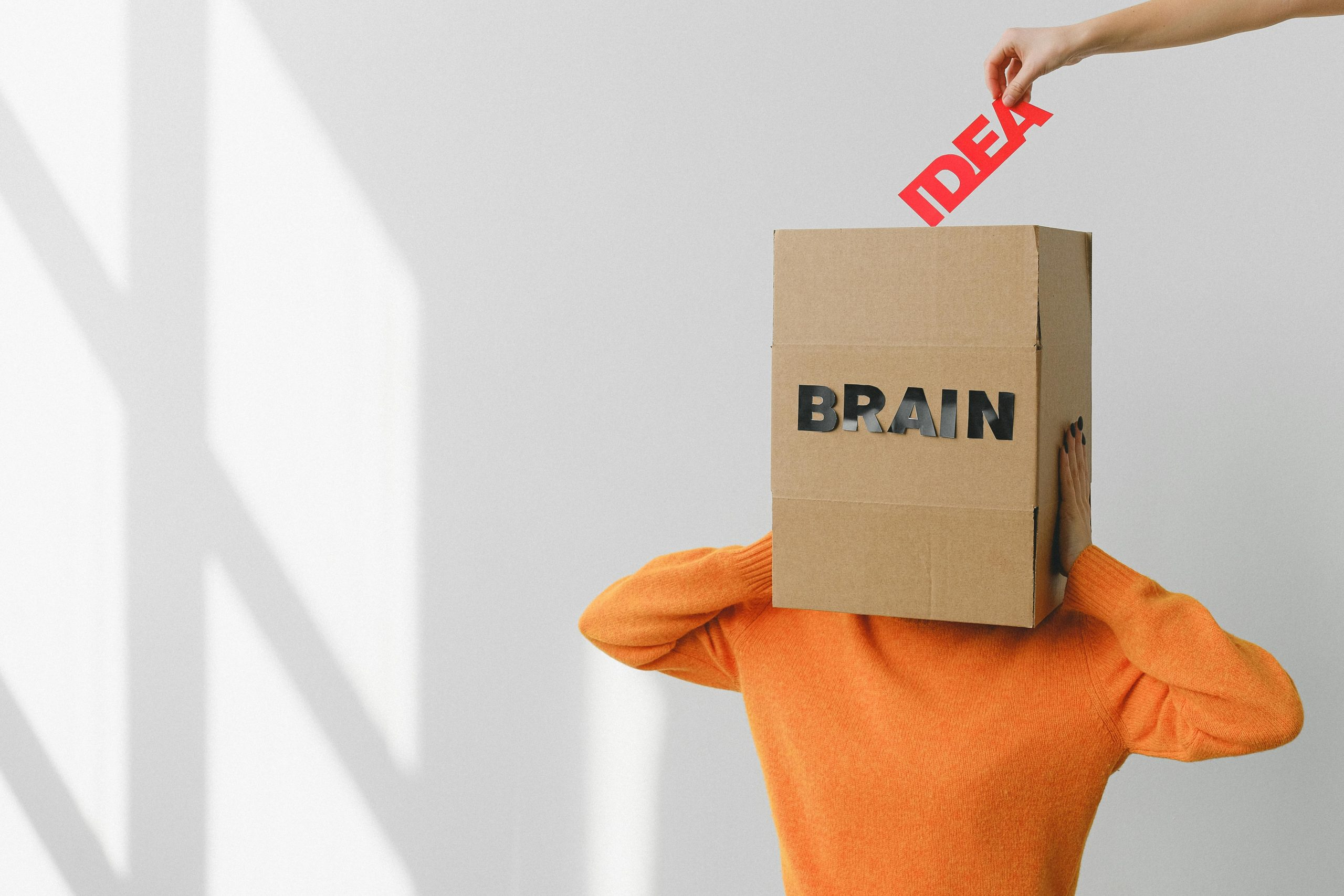
Understanding the Psychology of Scarcity
As a species, humans are wired to value things that are scarce. This can be traced back to our evolutionary roots when resources were scarce and survival depended on securing those resources. In modern times, this psychological drive translates into a strong desire to acquire things that are limited or in high demand. This can range from material possessions like designer clothes, limited edition gadgets, or even necessities like food and water during a crisis.
Marketers and businesses have long recognized the power of scarcity in influencing consumer behavior. The principle is simple – when we perceive something as scarce, we automatically assign more value to it. It triggers a fear of missing out (FOMO) and drives us to take action, whether it is to make a purchase or secure a reservation. Companies often use limited stock and high demand as a marketing tactic to create a sense of urgency and drive sales. But how exactly does this scarcity principle work?
The Scarcity Principle in Action
1. Impact on Perception
Perception plays a crucial role in the psychology of scarcity. Scarcity can alter our perception of an item’s value, quality, and desirability. Studies have shown that when people are told that something is in limited supply, they automatically deem it to be of higher quality and value. This phenomenon is known as the “reactance theory,” which suggests that when something is restricted, we desire it more.
When it comes to high-demand products, scarcity can drive up their perceived value and make them more desirable. Think of the frenzy surrounding the launch of new iPhones or designer collaborations. Limited stock and high demand create a hype that translates into perceived value and drives up demand even further.
2. Fear of Missing Out (FOMO)
One of the most potent emotions that scarcity evokes is the fear of missing out or FOMO. It is a form of psychological distress that arises when we feel that we are not a part of something desirable. FOMO can be a powerful motivator, as it taps into our innate need for social belonging and status. Marketers often use this fear to drive urgency and encourage impulse buying.
To create this sense of urgency, companies often use phrases like “limited edition,” “last chance,” or “only X items left.” This triggers our fear of missing out on a desirable product and compels us to act fast before it’s too late. In a way, scarcity manipulates our emotions and influences our decision-making in ways we may not even realize.
3. Psychological Ownership
Studies have also shown that when we perceive something as scarce, we place a higher value on it and feel a sense of psychological ownership. This can be seen in situations like auctions, where bidders become emotionally invested in securing a scarce item because they believe it belongs to them. This psychological ownership increases our desire to acquire the item, even if it means paying a higher price.
The Dark Side of Scarcity
While scarcity can be a powerful motivator, it also has some negative effects. In some cases, it can lead to unethical and manipulative behavior. A prime example of this is the phenomenon of “short squeeze” in the stock market, where speculators artificially manipulate the price of a stock by creating artificial scarcity. This can have severe consequences for the economy and impact the lives of many individuals.
Moreover, scarcity can also lead to hoarding behavior, especially during times of crisis. When people fear that a product or resource is scarce, they tend to stock up, creating further shortages. This behavior can have dire consequences, such as in the case of the recent toilet paper shortage caused by panic buying during the pandemic.
In Conclusion
The psychology of scarcity is a powerful force that impacts our thoughts, emotions, and behaviors. It has long been used by marketers and businesses to drive sales and create a sense of urgency among consumers. However, it’s important to recognize and understand the effect of scarcity, both positive and negative, on our decision-making. As consumers, being aware of this psychological phenomenon can help us make more informed choices and avoid falling prey to manipulative marketing tactics.
In the end, scarcity reminds us of our innate desire for exclusivity and our need for social validation. As long as we are aware of these influences, we can make conscious decisions and not let scarcity dictate our actions. So, embrace the limited stock and high demand, but don’t let it control your mind!